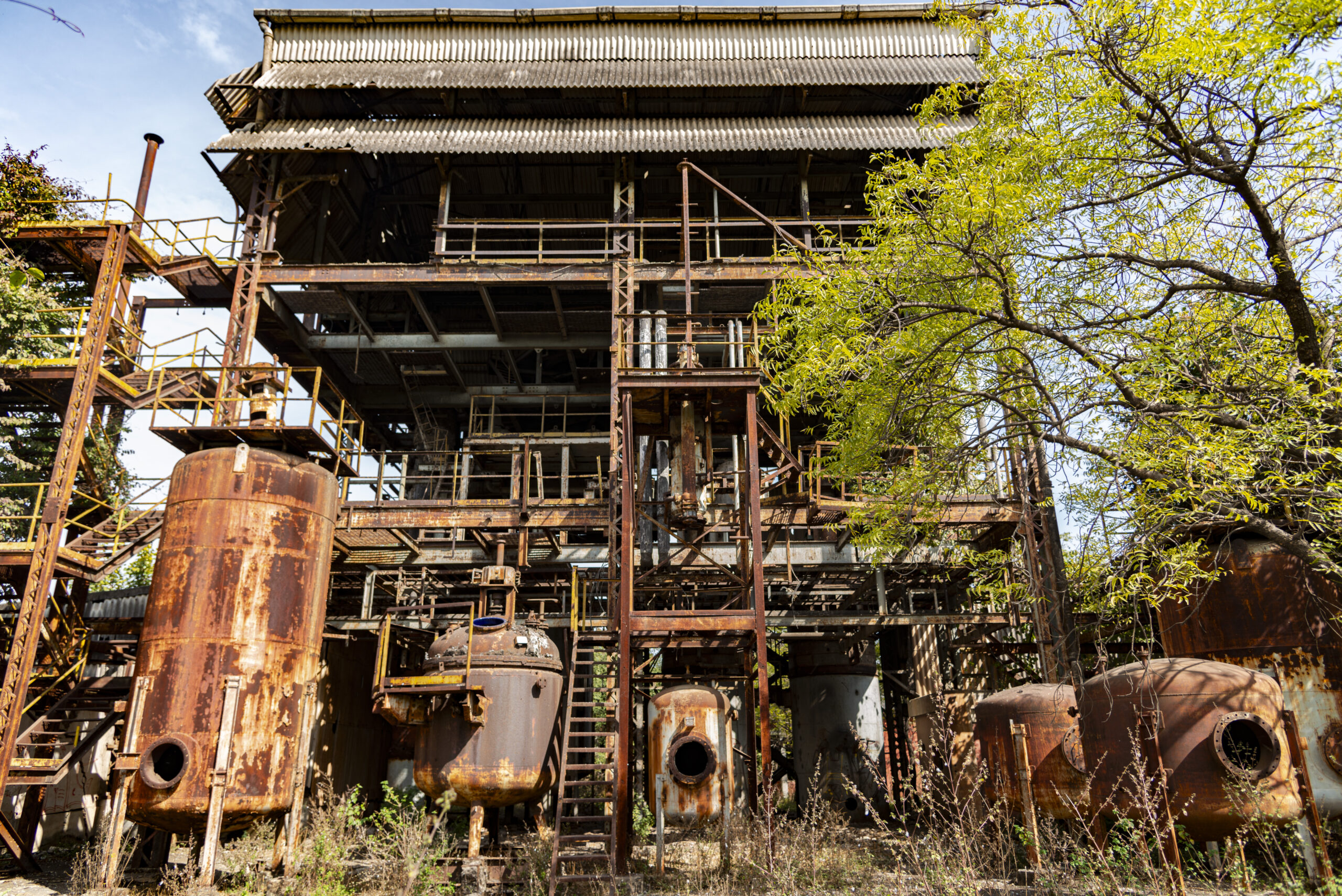
I spent long time in the city of Bhopal and explored far and wide the city, the neighbourhoods that have been hit by the gas cloud, forty years ago, and he site of the former Union Carbide Corporation chemical plant that caused the death of 25,000 people up to today. The tragedy has been caused by years of cost cutting policies by the Union Carbide Corporation in Bhopal. Costs for security, maintenance, personnel have been increasingly cut in the chemical plant that produced Sevin, a pesticide which production implies the usage of a highly reactive, toxic and lethal gas called Methyl Isocyanate . The plant was already in dire conditions when the accident occurred and 40 tons of Methyl Isocyanate leaked in the atmosphere of Bhopal, after a violent chemical reaction, causing between 7,000 and 10,000 deaths within 3 days.
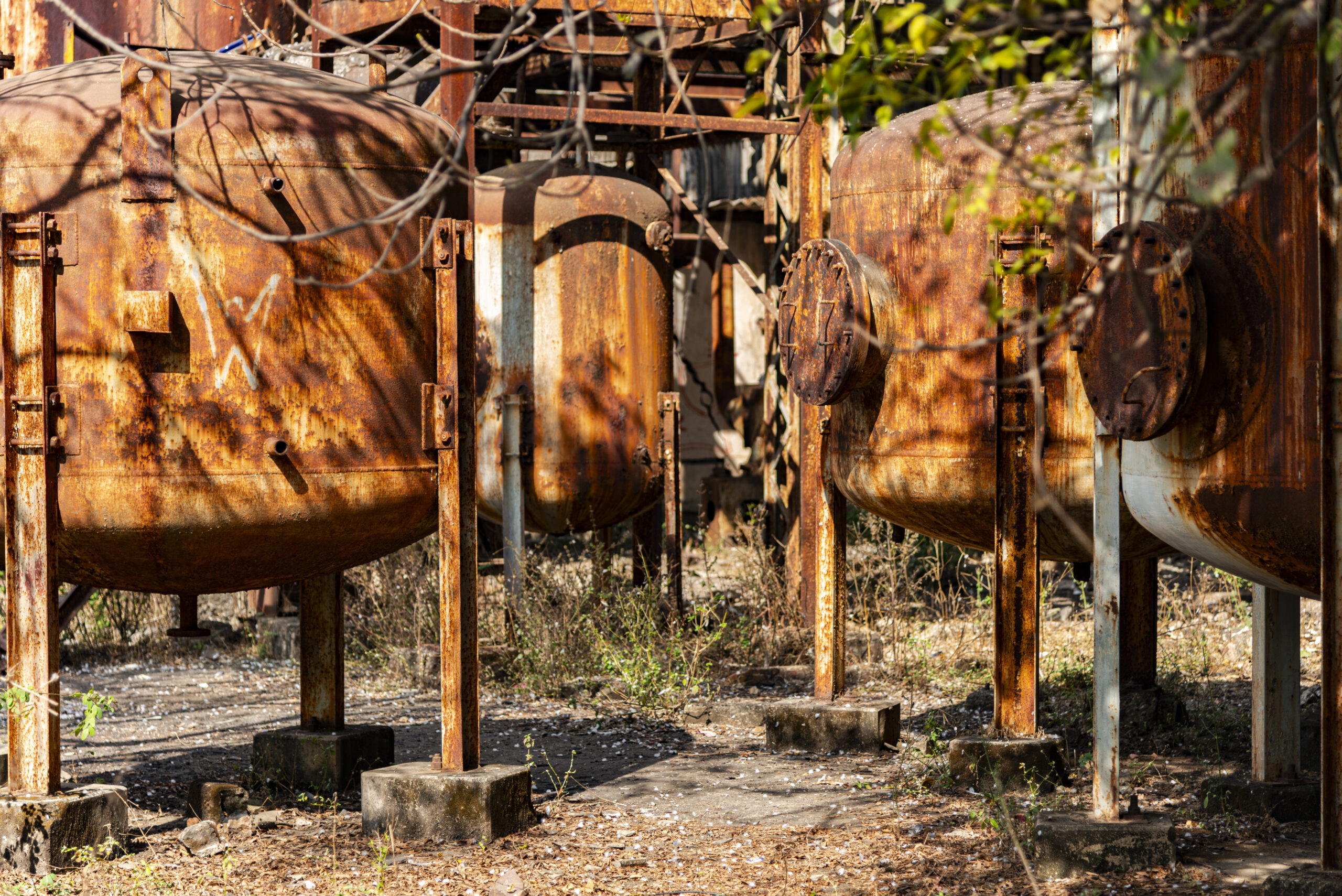
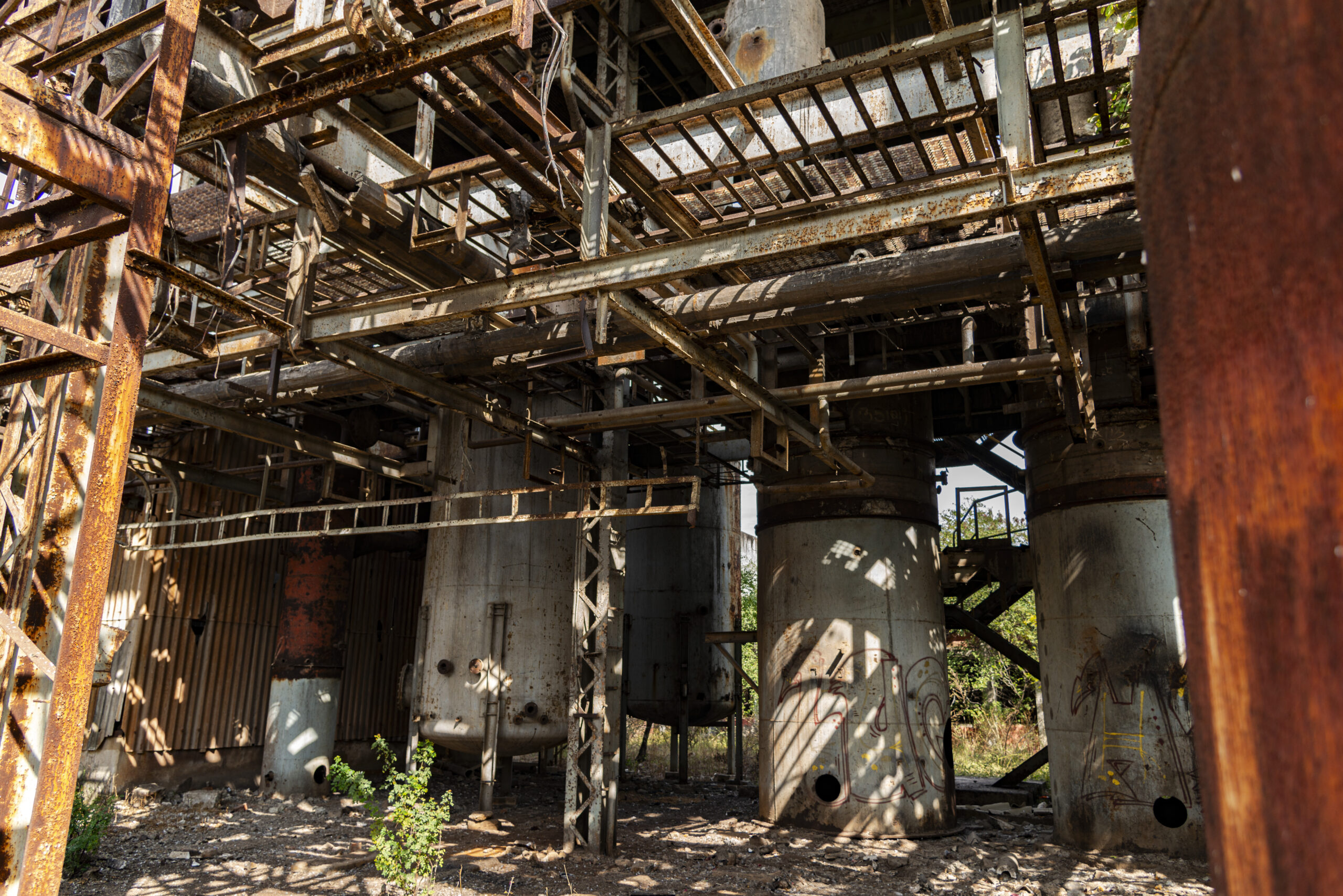
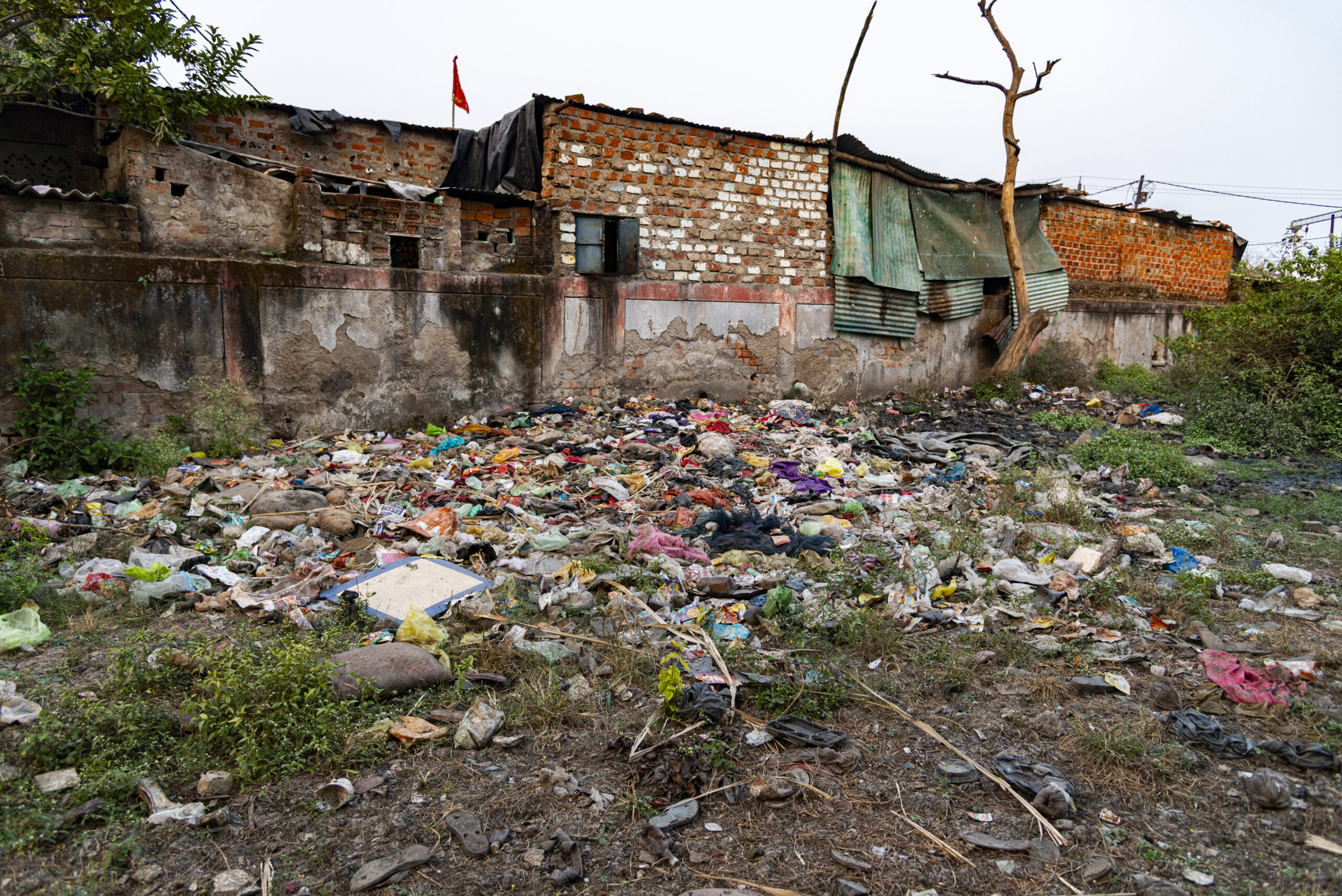
One of the most shocking and amazing aspects that I found about the Bhopal vicissitude is the negligence in the disposal of the chemical plant formerly owned by Union Carbide Corporation and its Indian and Asian subsidiaries. After 40 years the rusting rubbles have never been demolished and the area has never been remediated, resulting in severe contamination of the soil and of the groundwater.
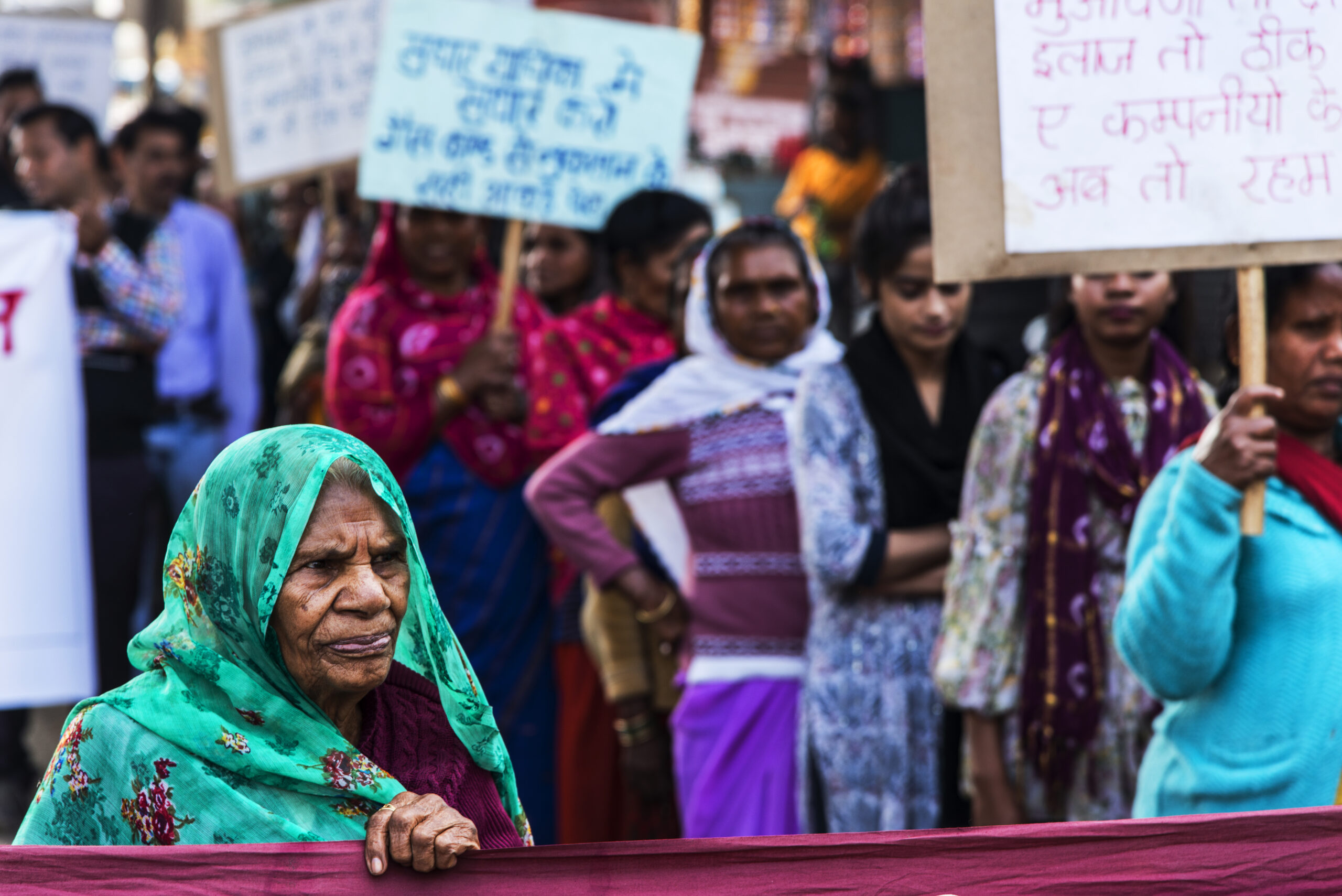
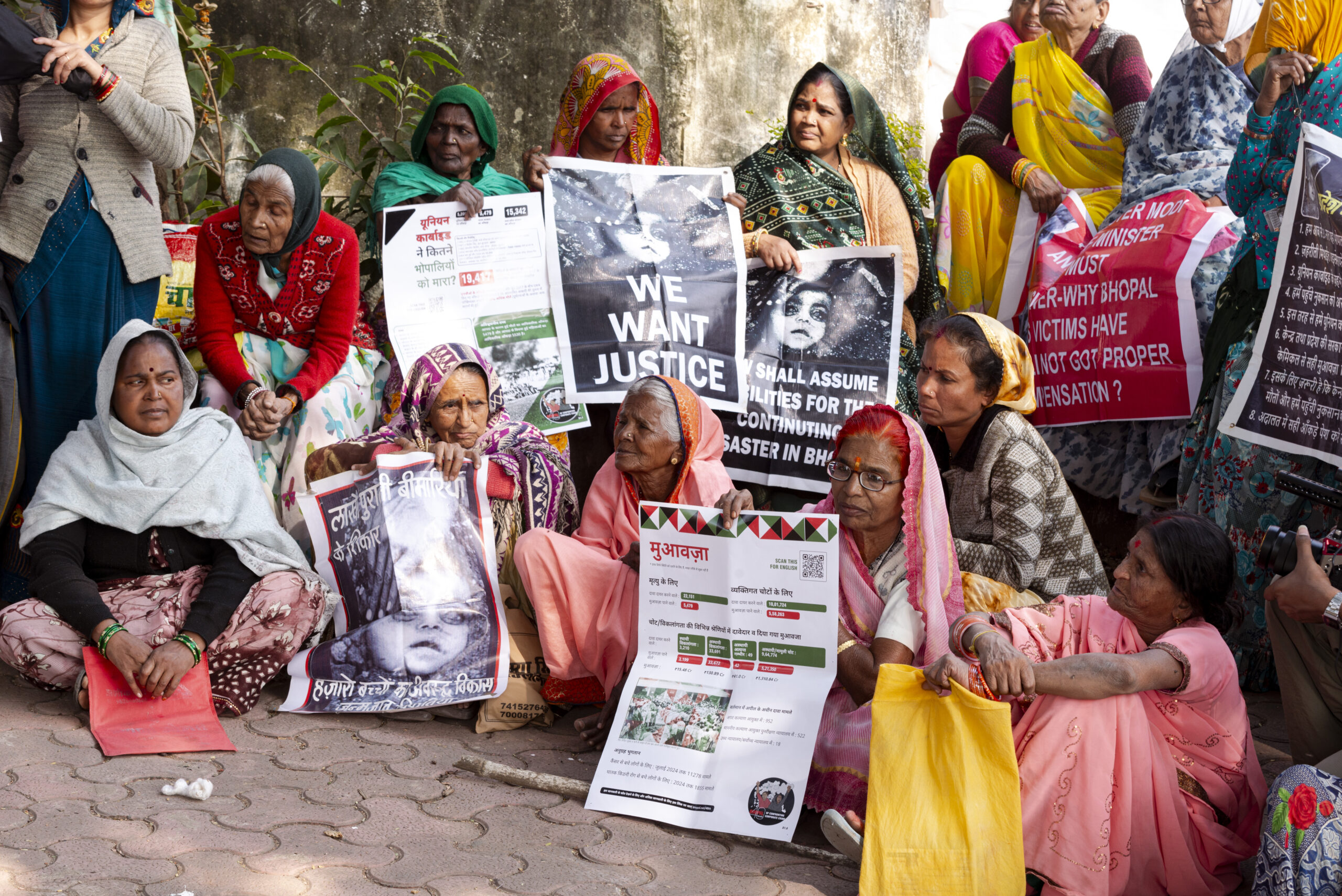
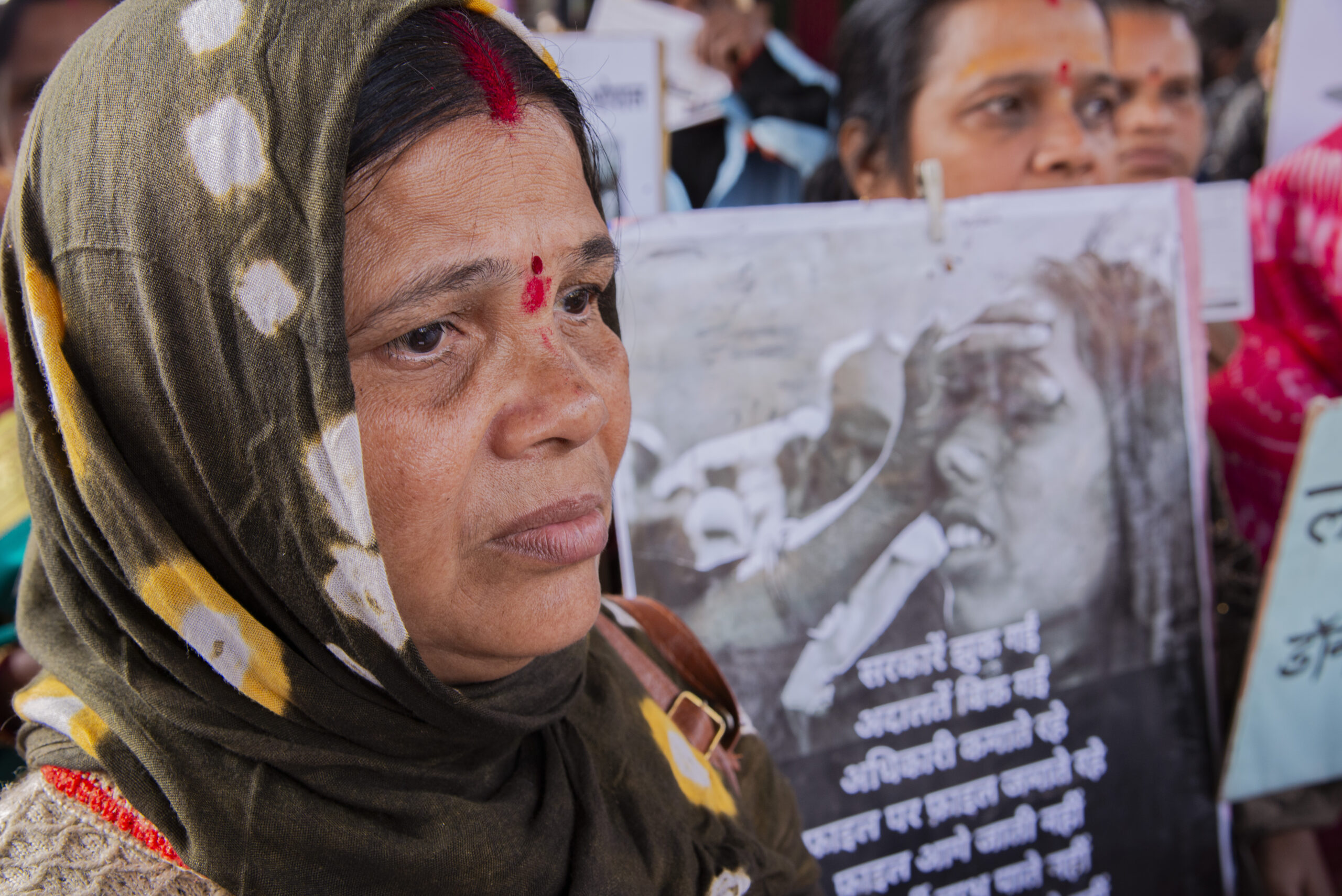
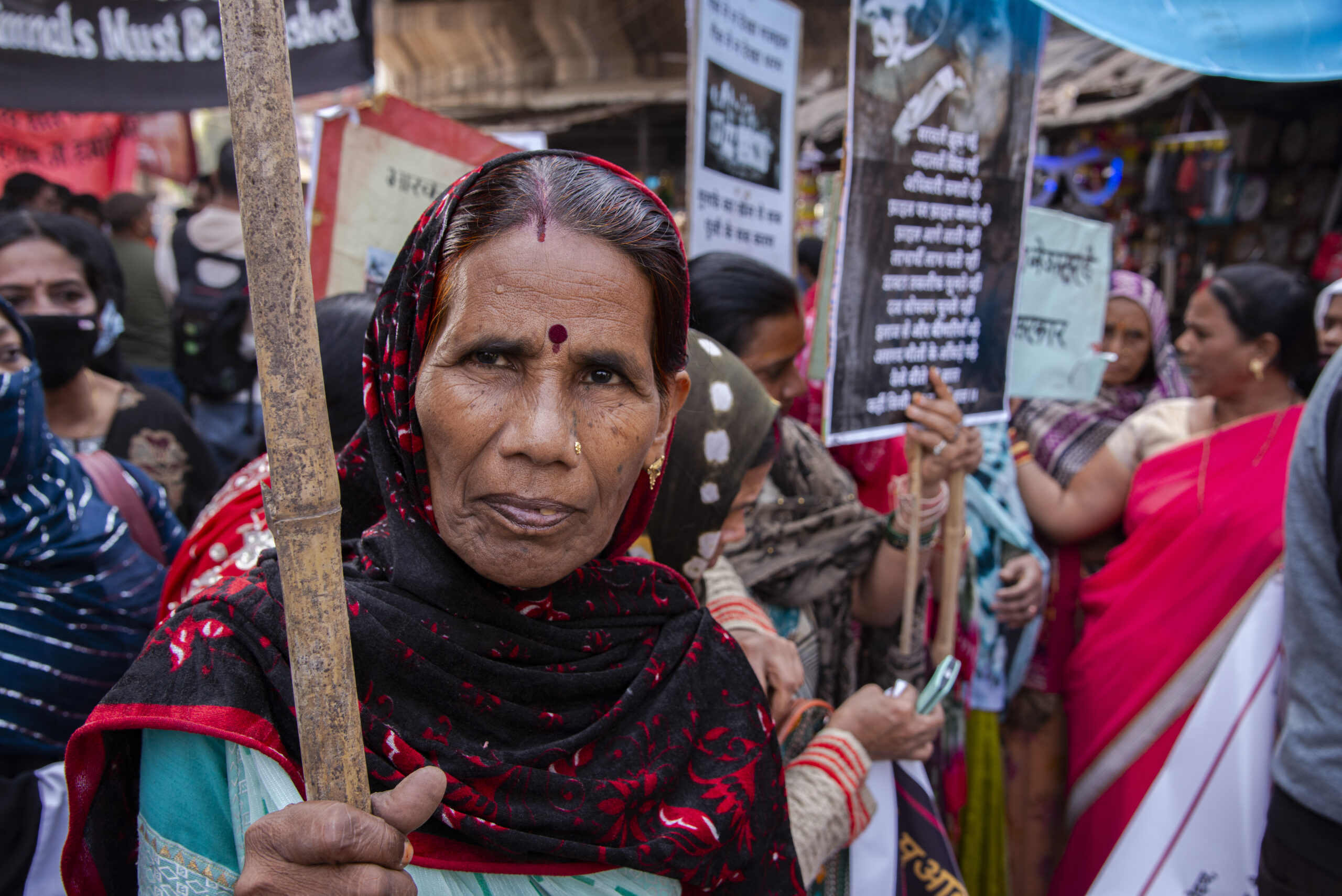
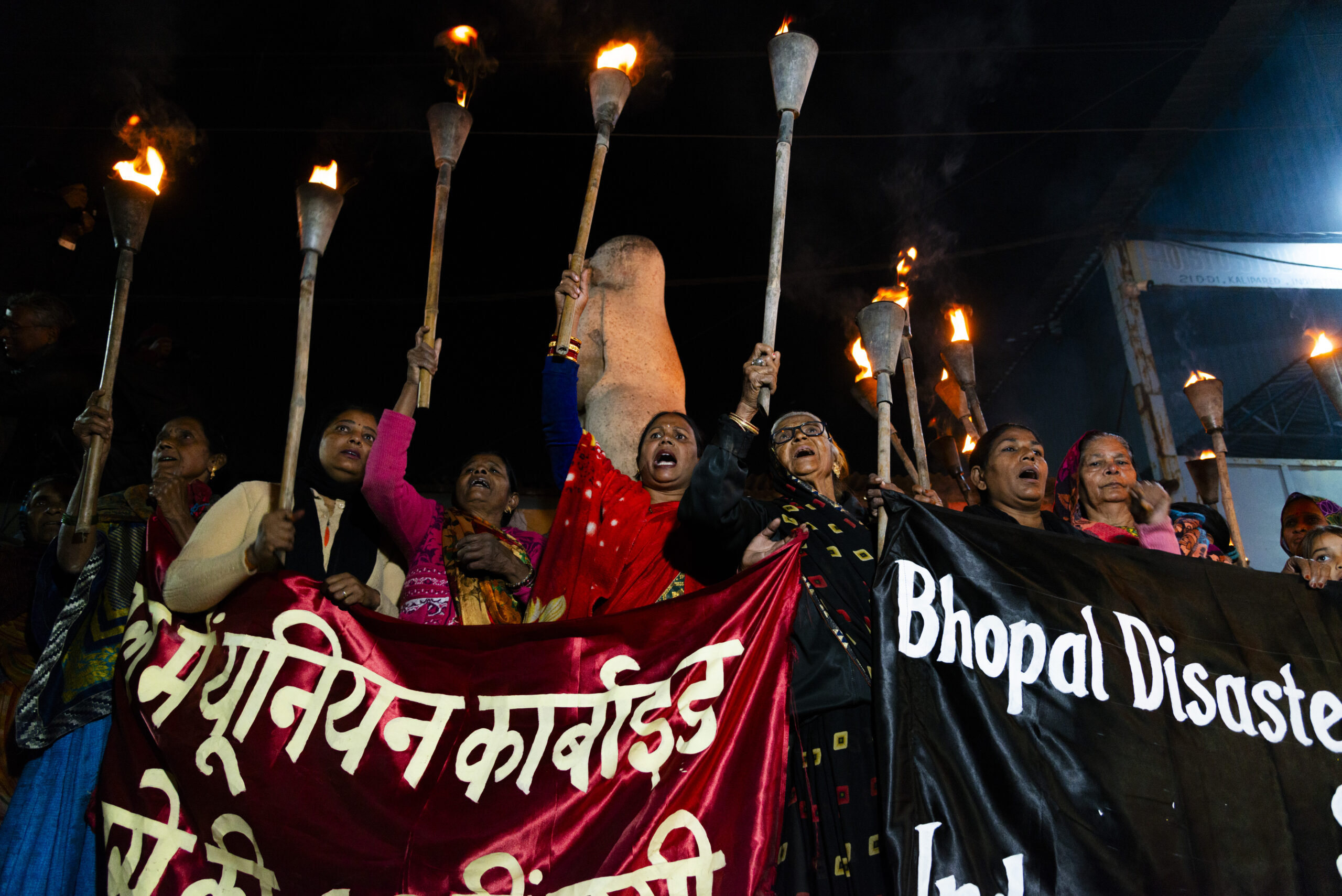
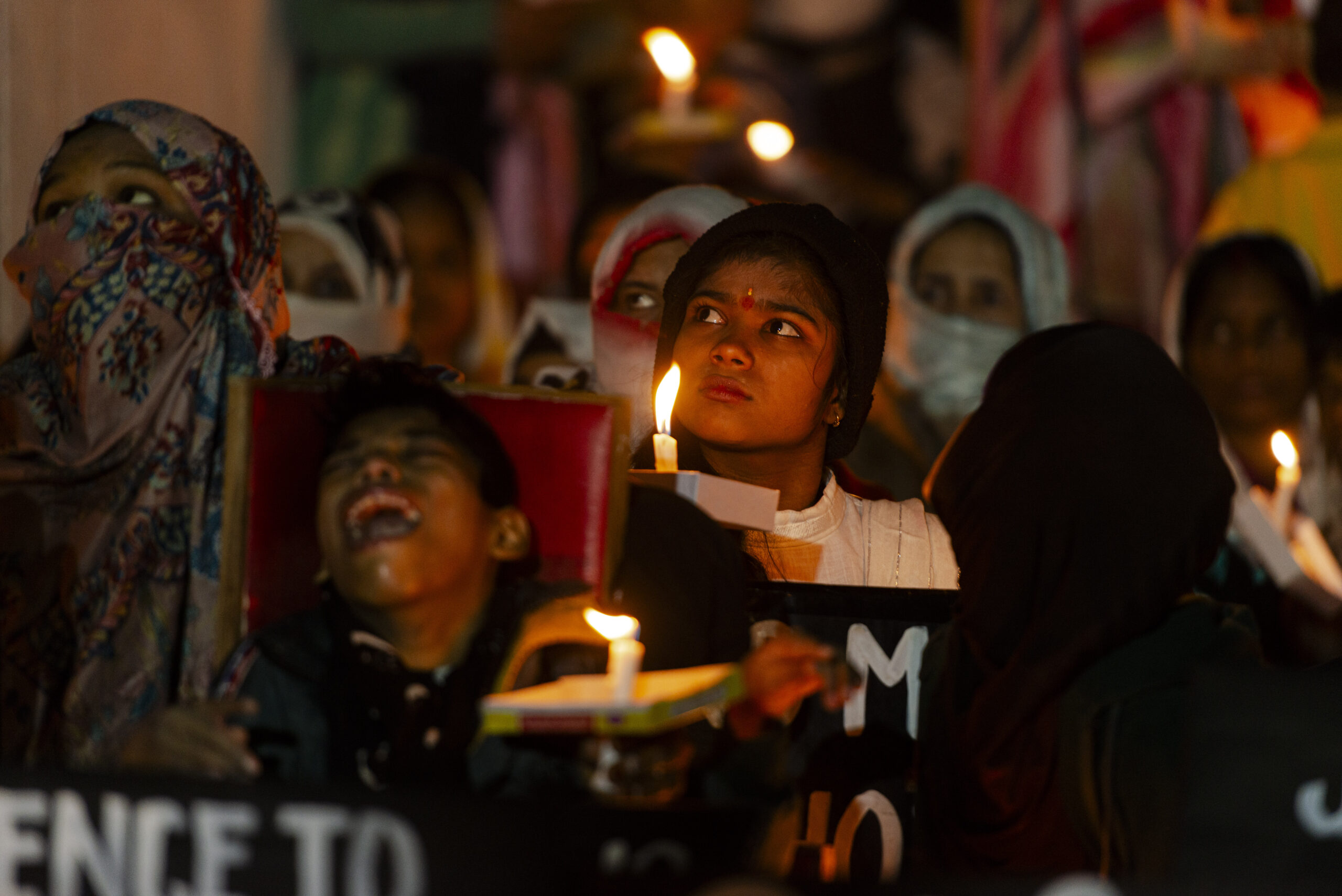
Forty years after, justice for the victims and the survivors of the disaster is far from being achieved. Numerous organizations are, since 1984, fighting for fair compensations for the victims and for a just criminal sentence against the culprits and those responsible for the disaster. Every year protests, rallies and demonstrations are organized in the city, addressing the government and the Dow Chemicals, the company that bought Union Carbide Corporation in 2001, that since then is escaping justice.
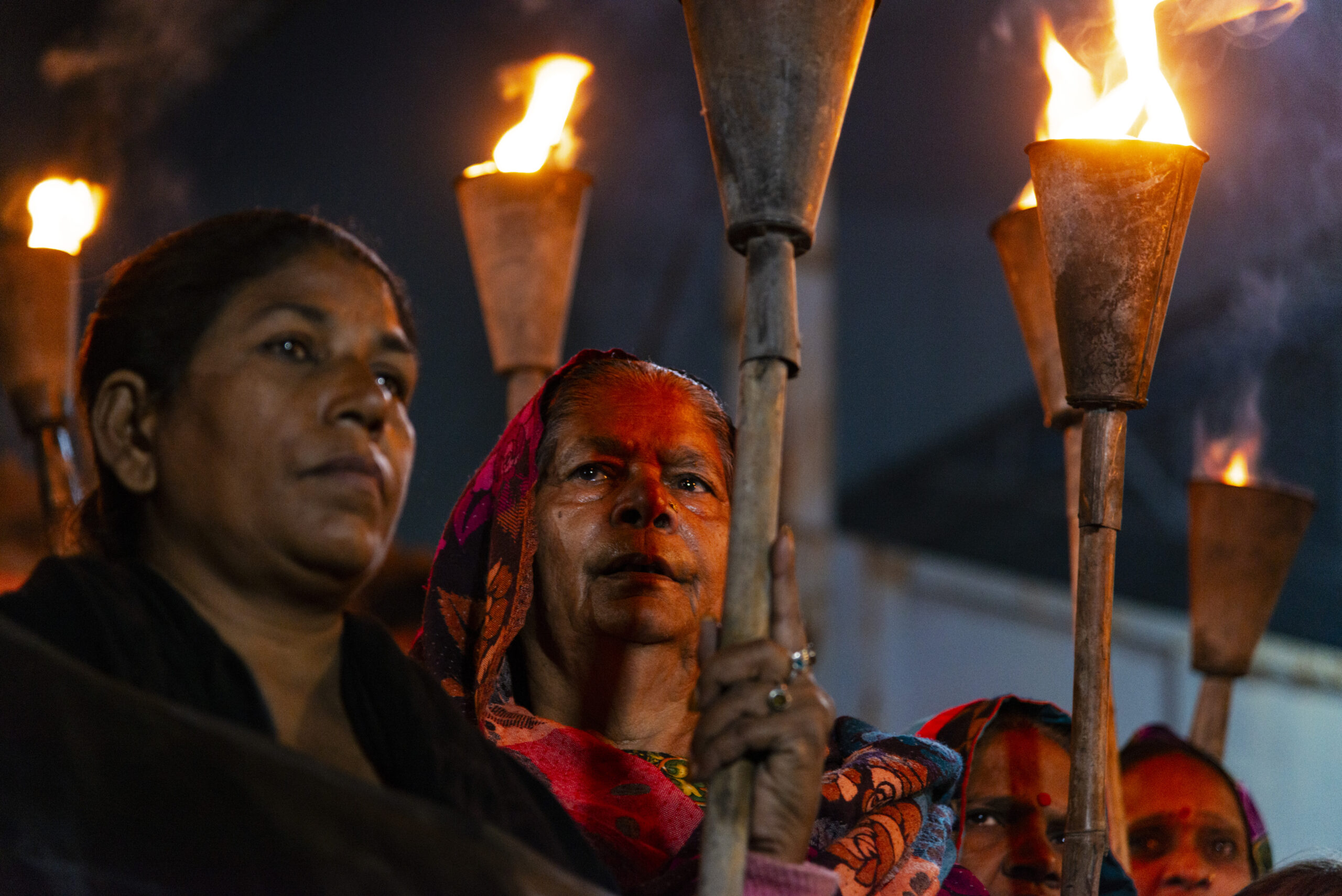
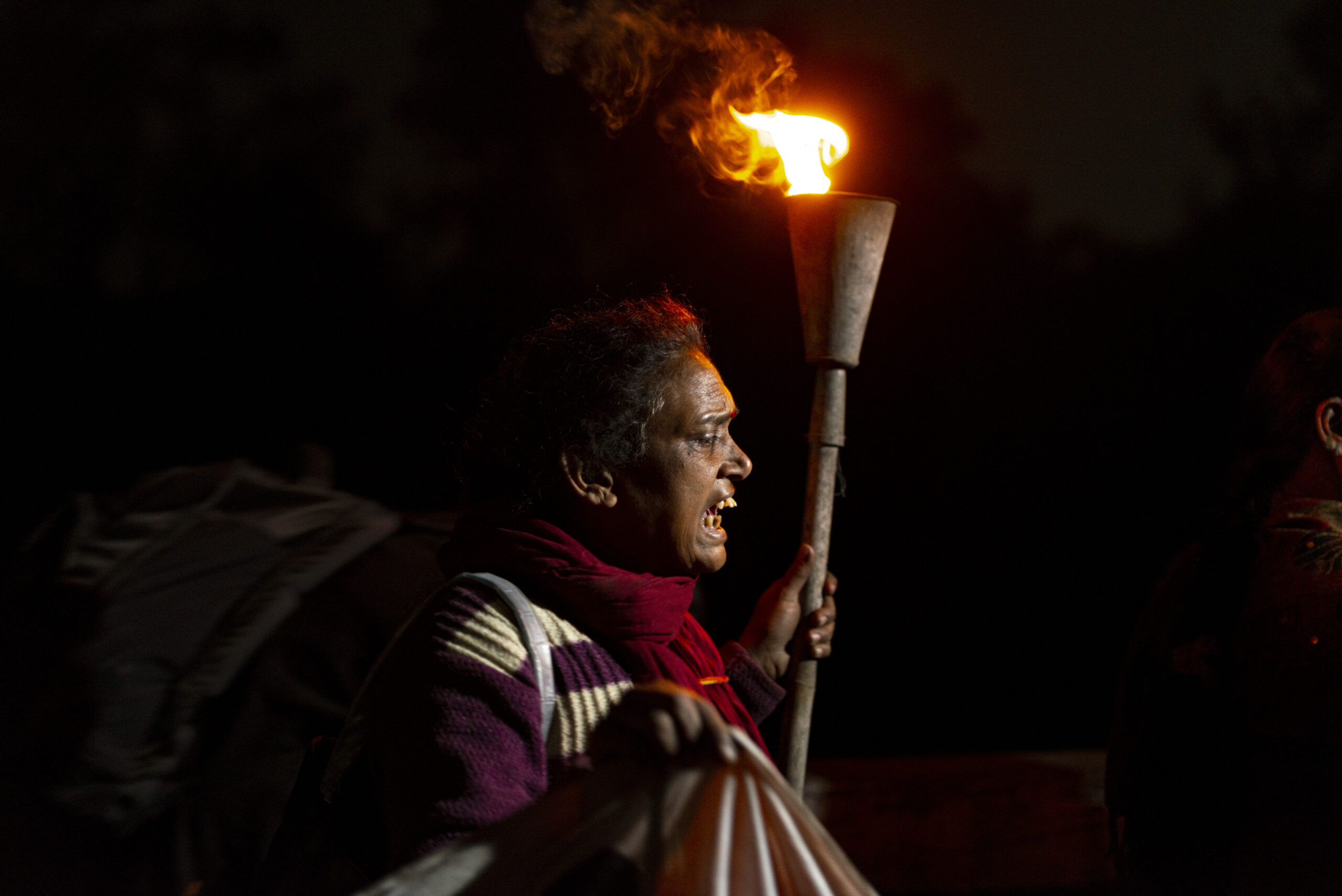
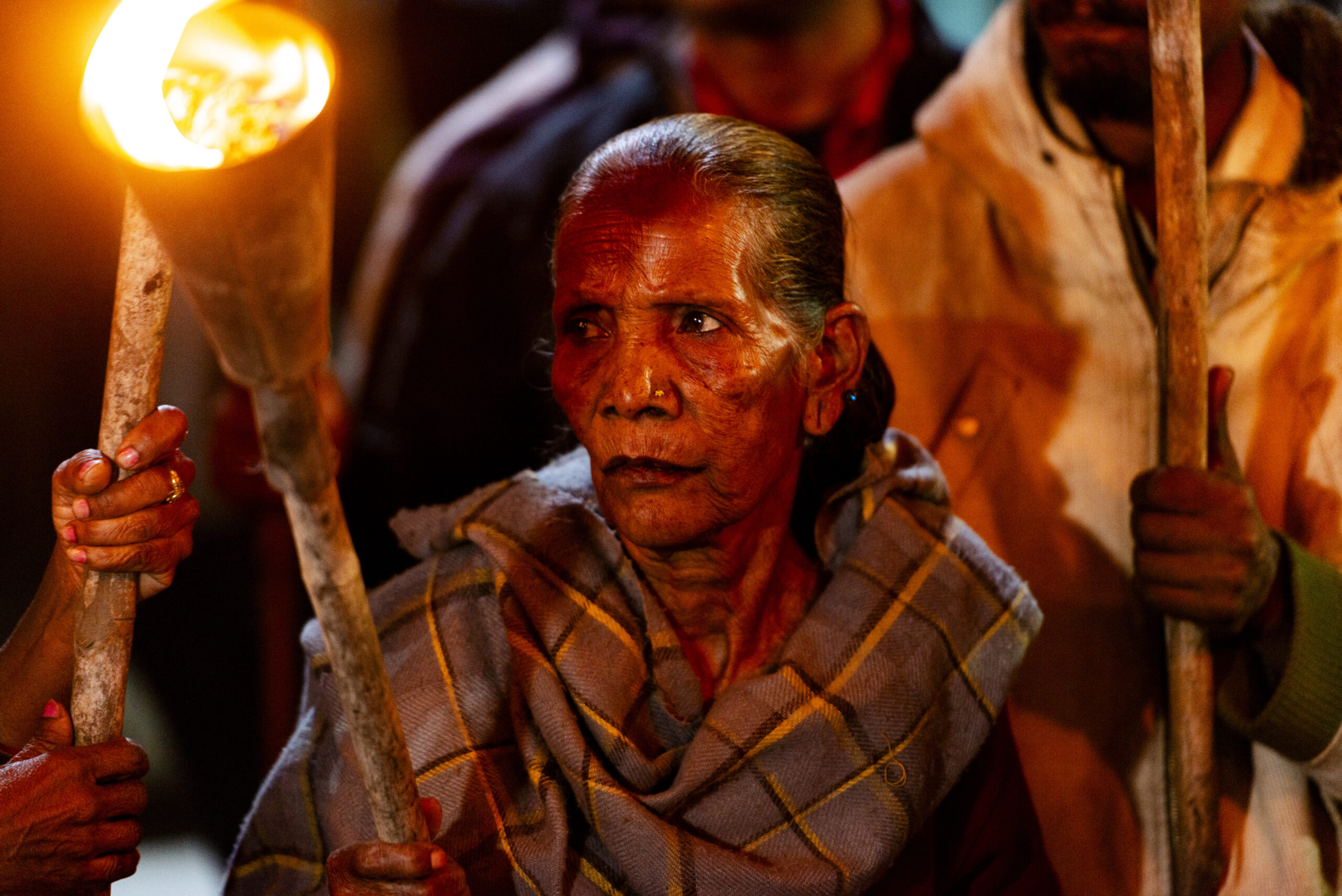
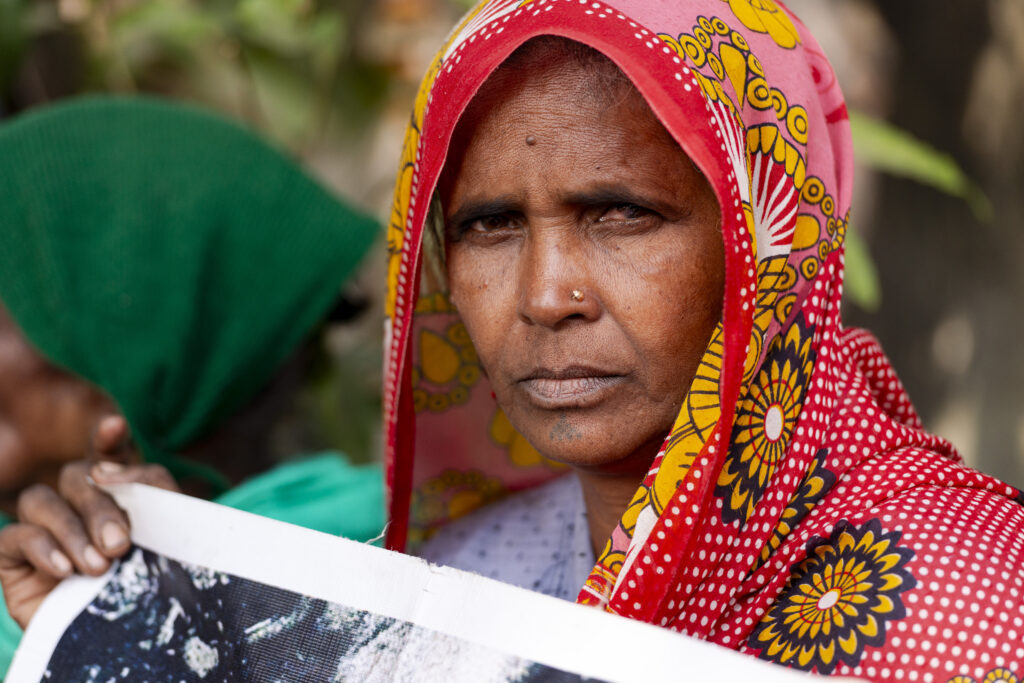
Most of the activists and protesters are women, many times daughters of exposed people, many more times even granddaughters and grandsons of them.
Despite many of the protesters and activists are aging and have severe diseases and permanent injures caused by the exposure to the gas that cause respiratory issues and joint pains, they proudly show up in the streets, shout, walk for kilometers in marches, at night or during the day.
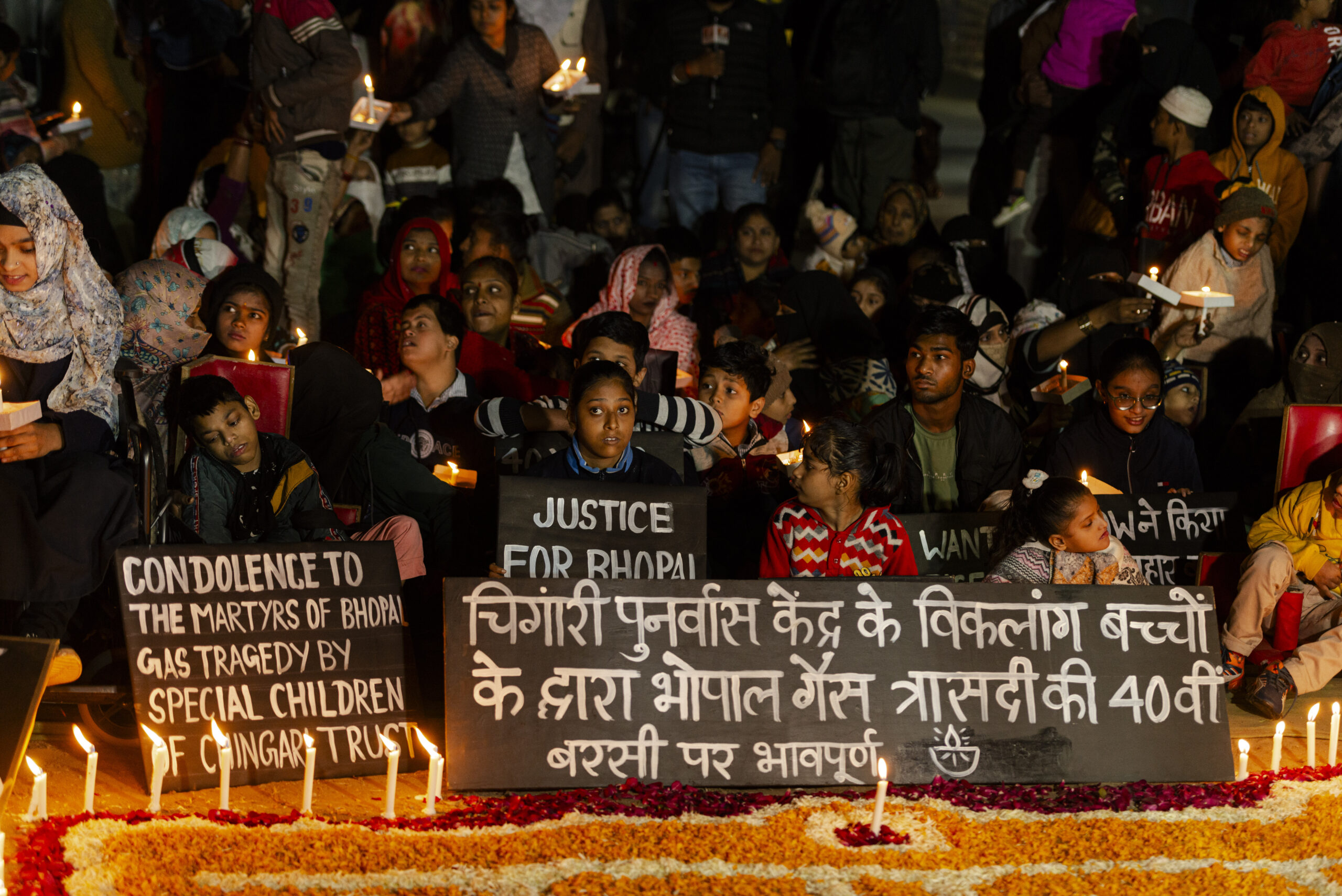
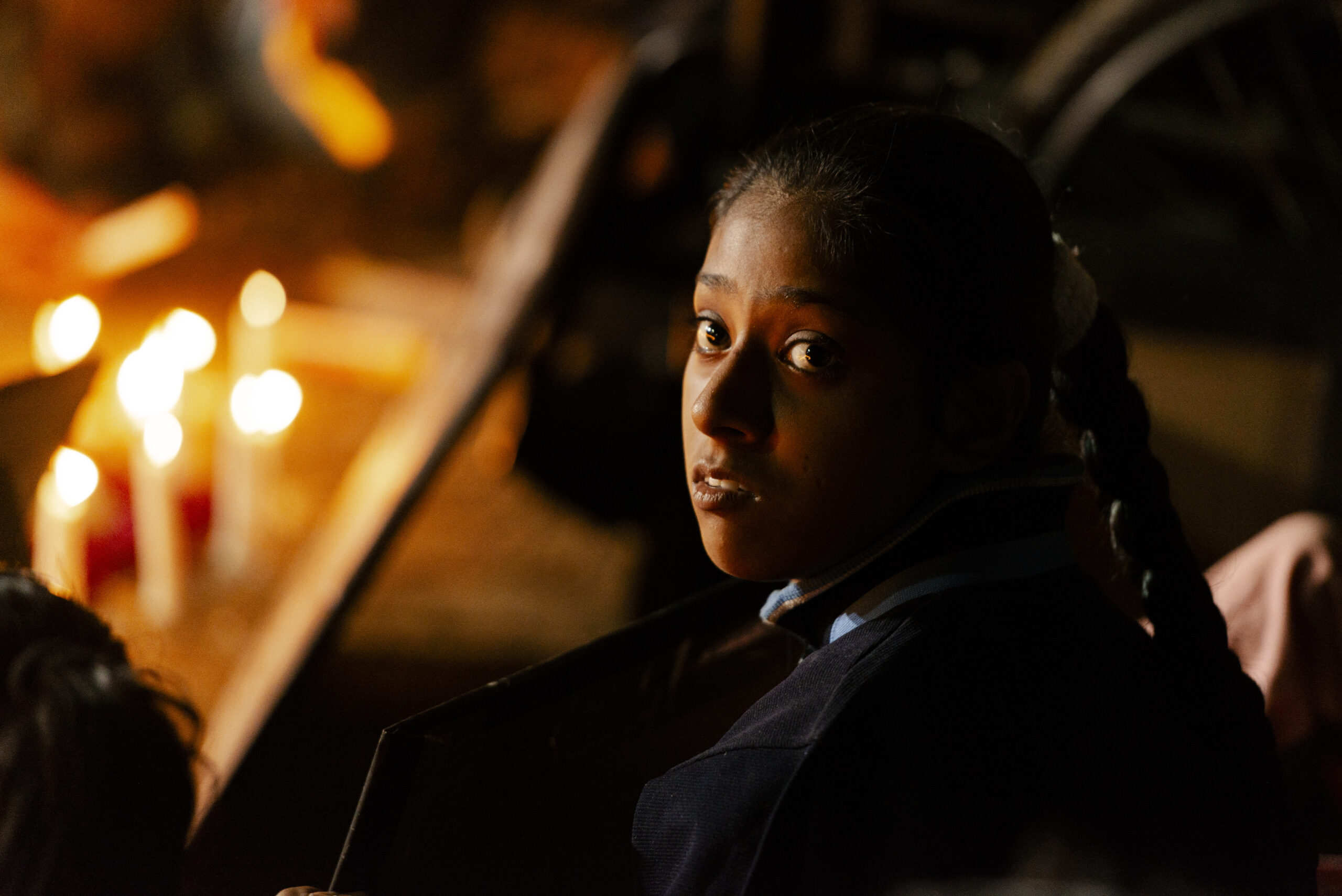
One of the most dire legacies of the Gas Tragedy is the high rate of chromosomal malformations in children born from gas exposed mothers: it is widely demonstrated that women exposed to the Methyl Isocyanate have 7 times more chances to give birth to a child with physical and/or cognitive disabilities, than in non exposed women. This is true also for third generations.
In order to cope with this issue local activists, victims themselves of the Gas Tragedy, founded Chingari Trust, that provides free of charge care, education and many different kinds of therapies to disabled children.
Official figures about victims and injured people fail to describe the real situation in Bhopal among the affected population. According to local activists between 100,000 and 200,000 people still suffer from chronic diseases and permanent disabilities: reduced breathing capacity and vision, damaged immunity system, joint pains and neurological disorders, kidney diseases, cancers, cardiovascular problems, reproductive problems, often combined, and finally birth of many children with intellectual and physical disabilities, whose incidence is seven times higher than those of non-exposed mothers.
The Government is failing in providing effective treatment to the gas exposed people: since the composition of the gas cloud has never been disclosed by Union Carbide Corporation or by Dow Chemicals, as it has been treated as a commercial secret, gas exposed people are treated through palliative medicaments, painkillers, antibiotics and steroids, in quantities that can reach amounts as high as 30 or 40 kg.
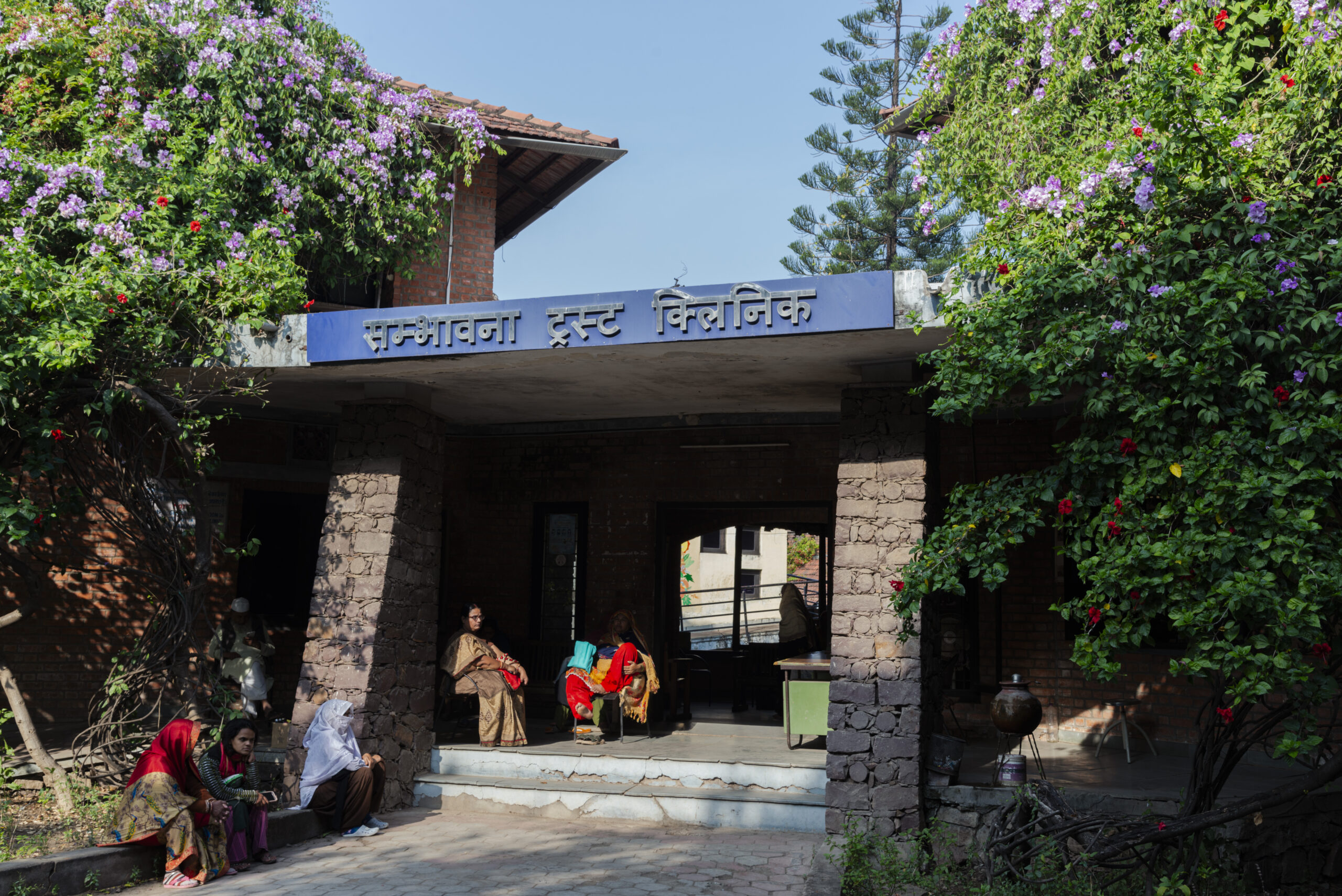
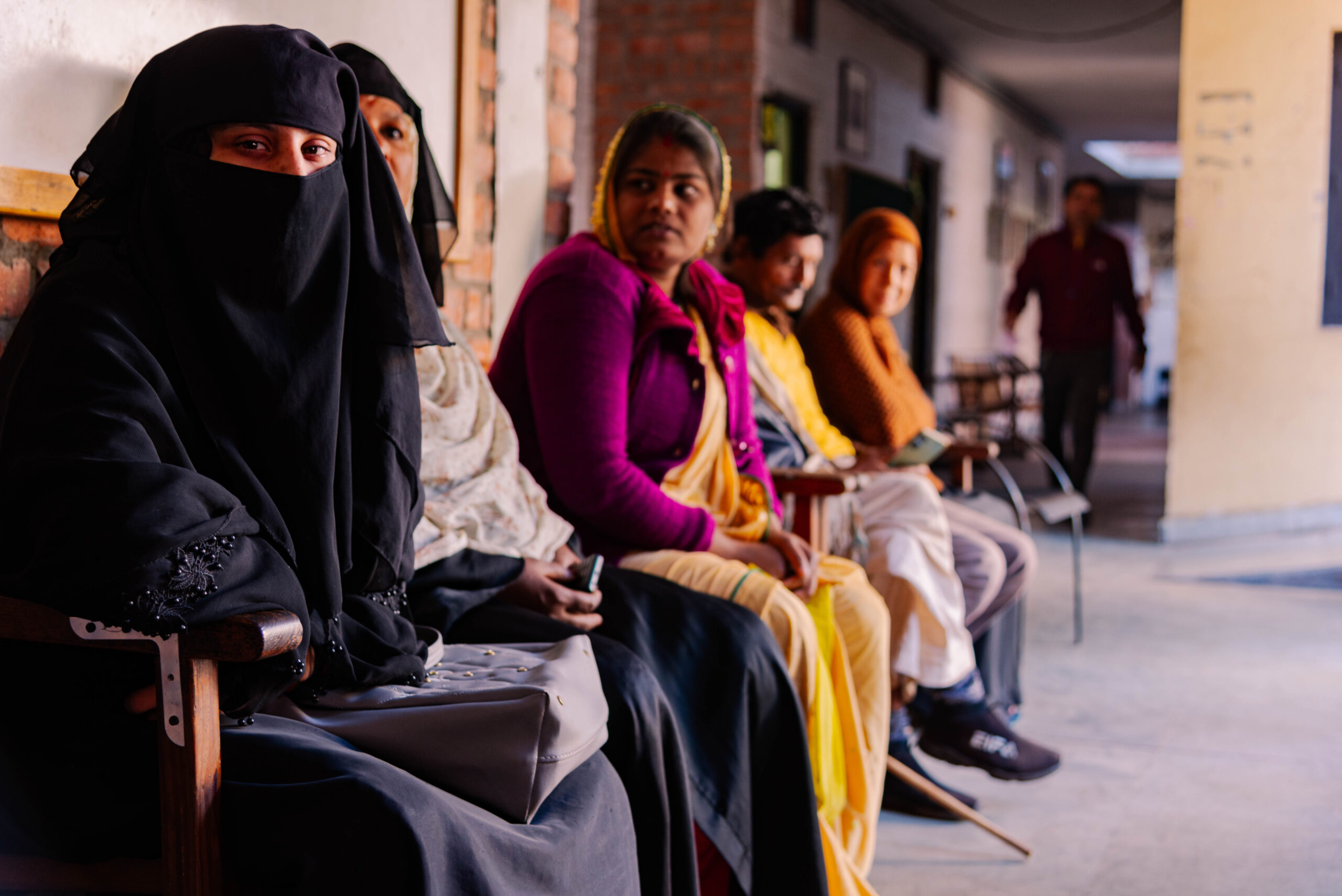
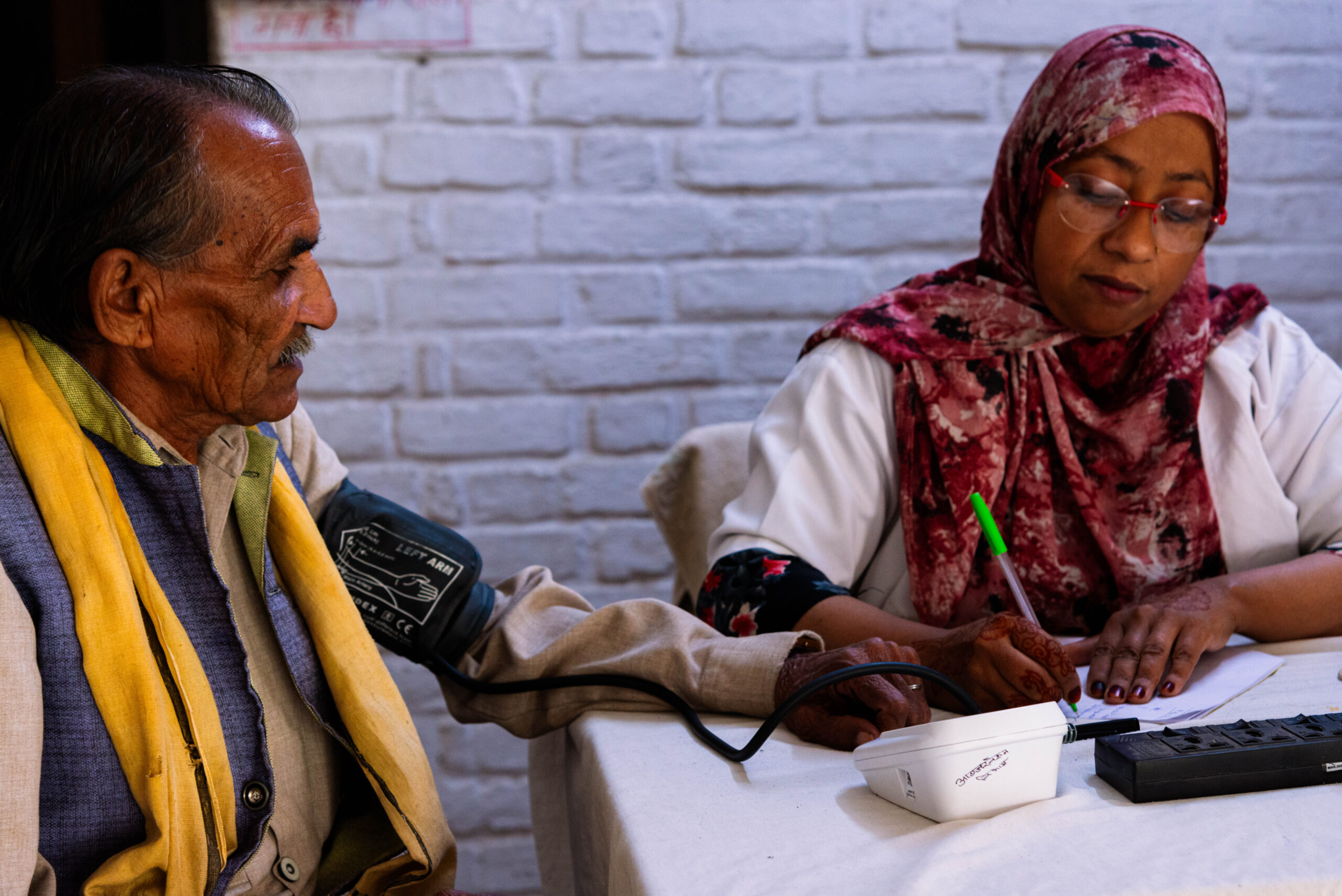
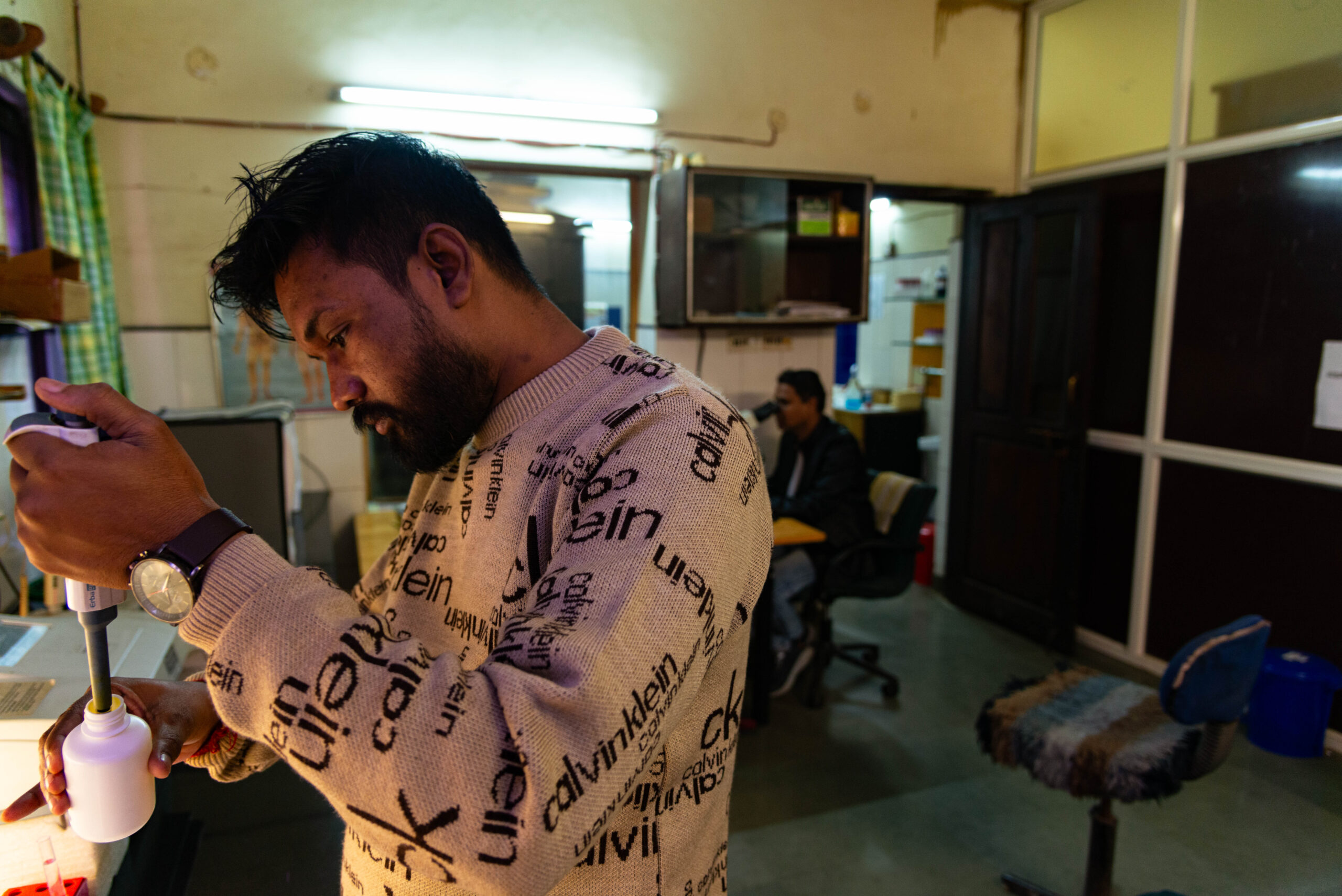
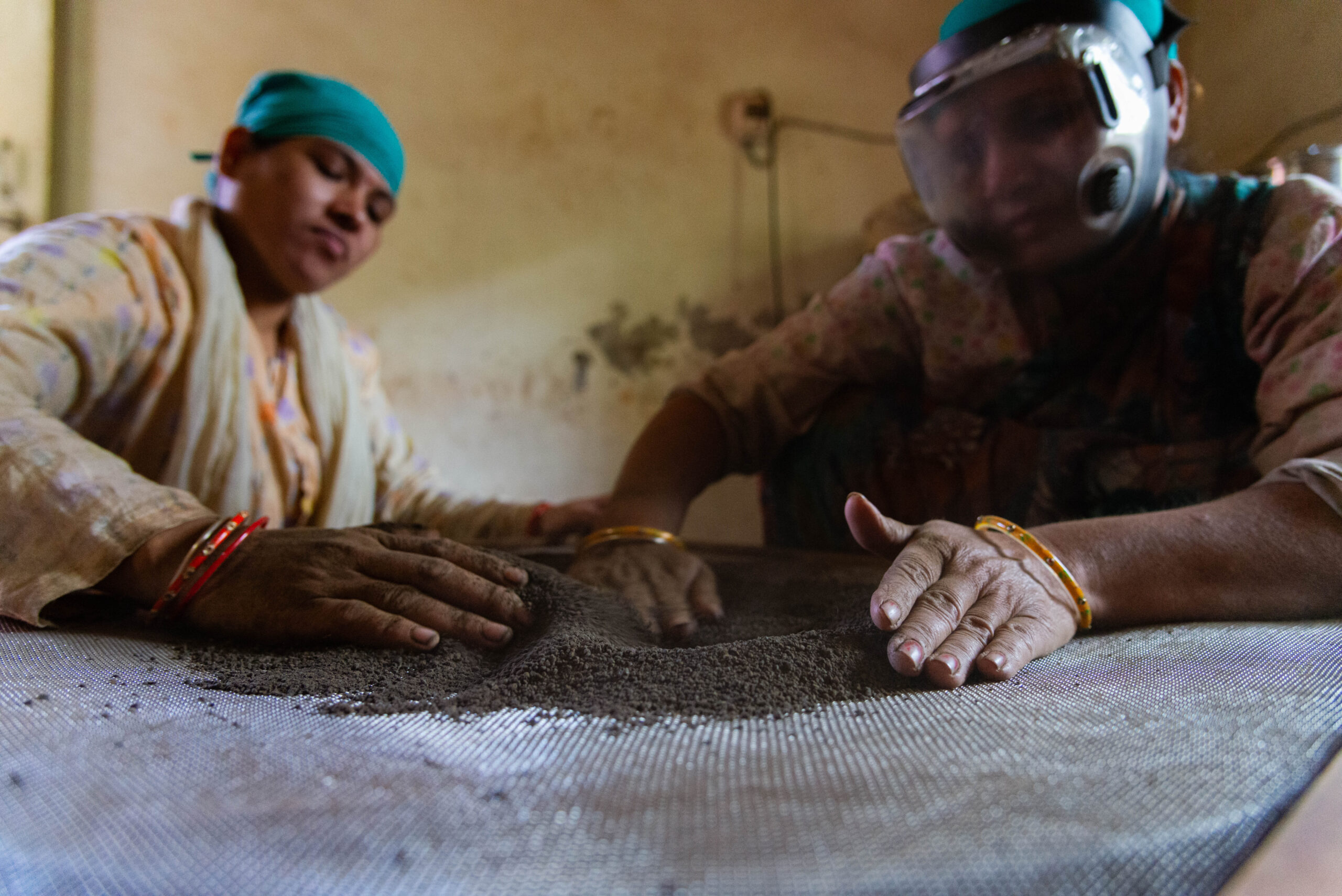
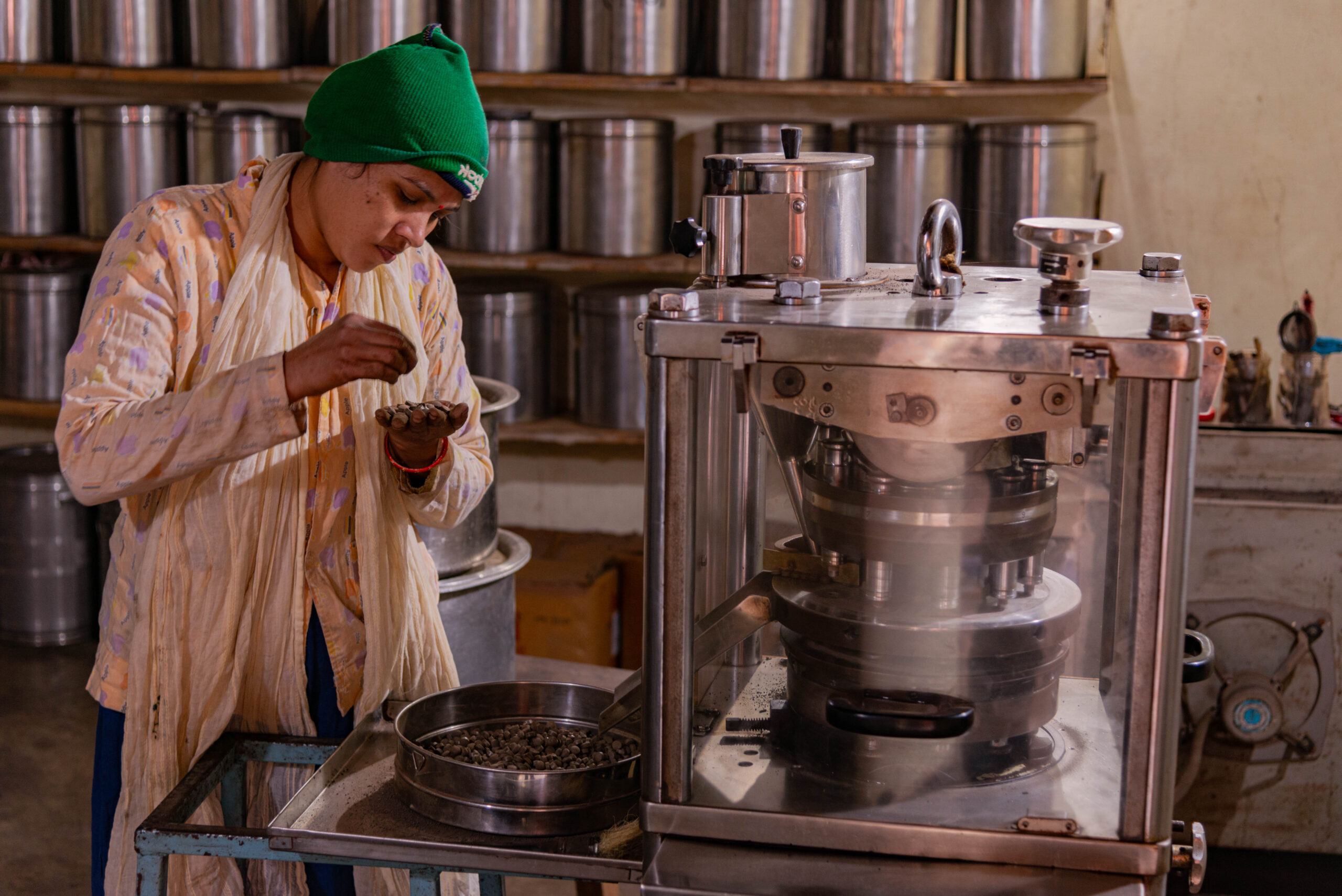
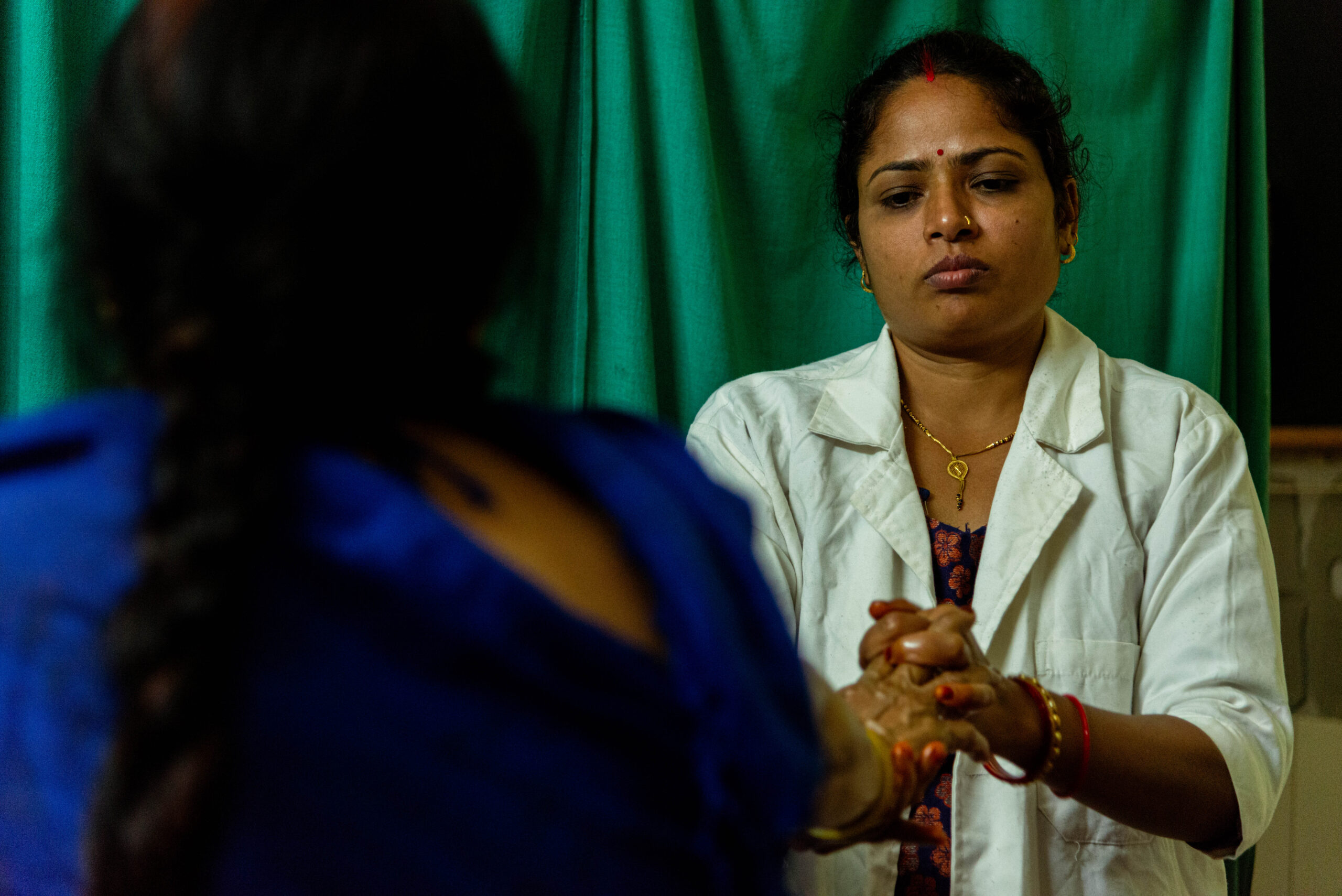
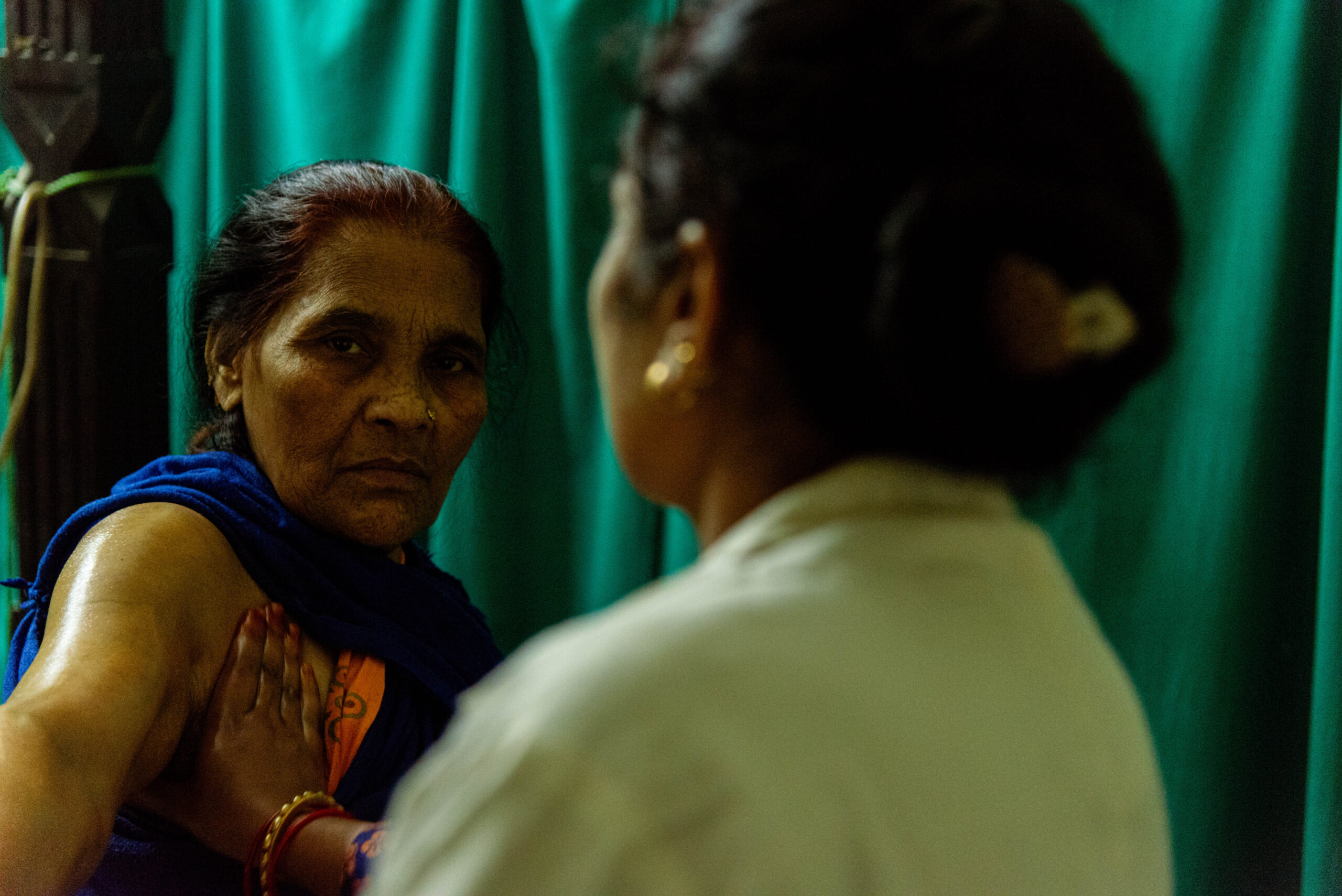
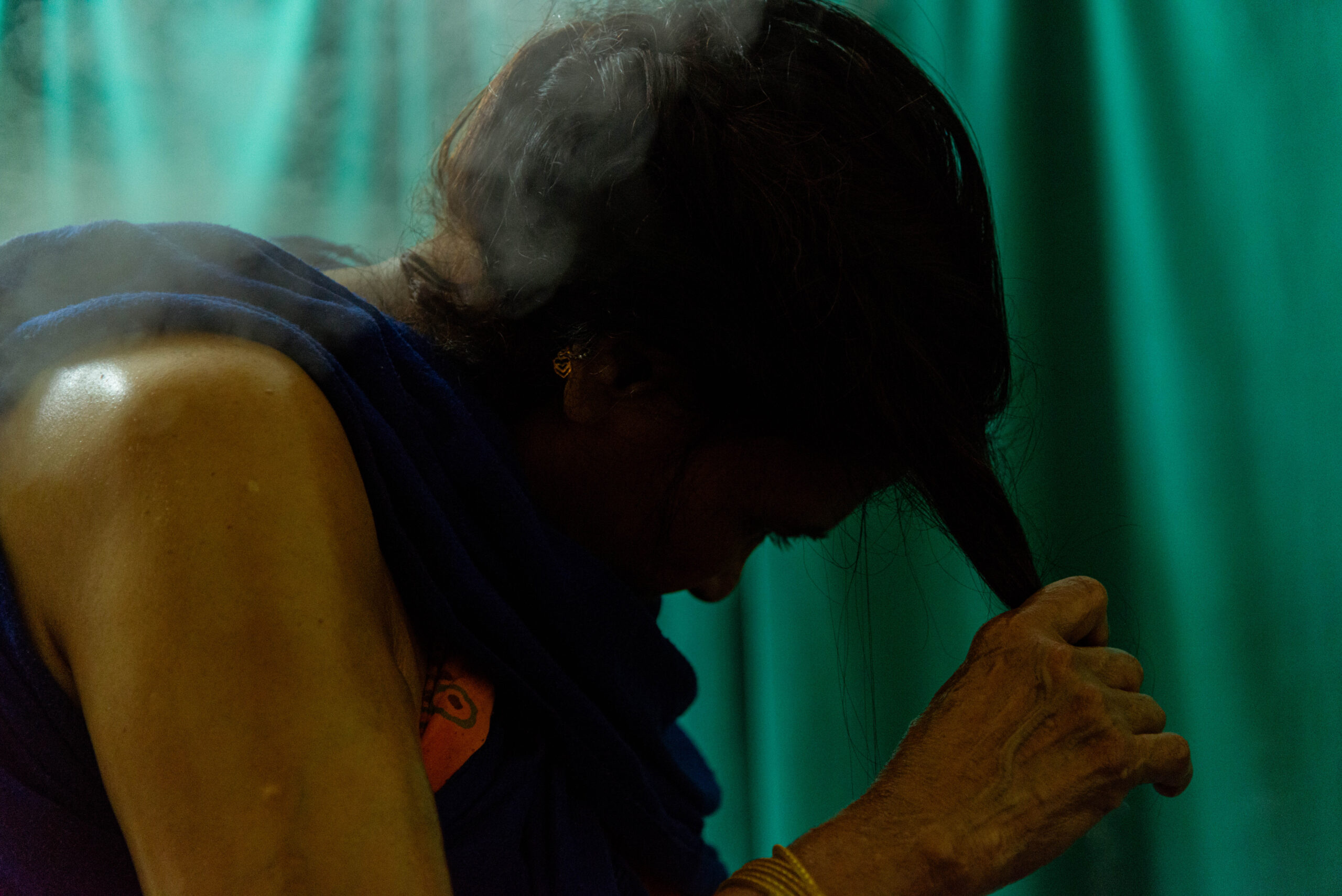
To fill this void left by the Indian Government, the activists and the civil society have mobilized to tackle the lack of healthcare: in 1996 the Sambhavna Trust Clinic was founded to provide free of cost healthcare. The intuition of the founders is that a combination of Indian traditional ayurvedic medicine, yoga, panchakarma and modern allopathic medicine, with a scientific approach, can give effective results to cure affected people.
Sambhavna clinic, not only provides treatment free of costs, but has a garden where ayurvedic plants are grown and a production unit for its own medicine to be provided to its patients.