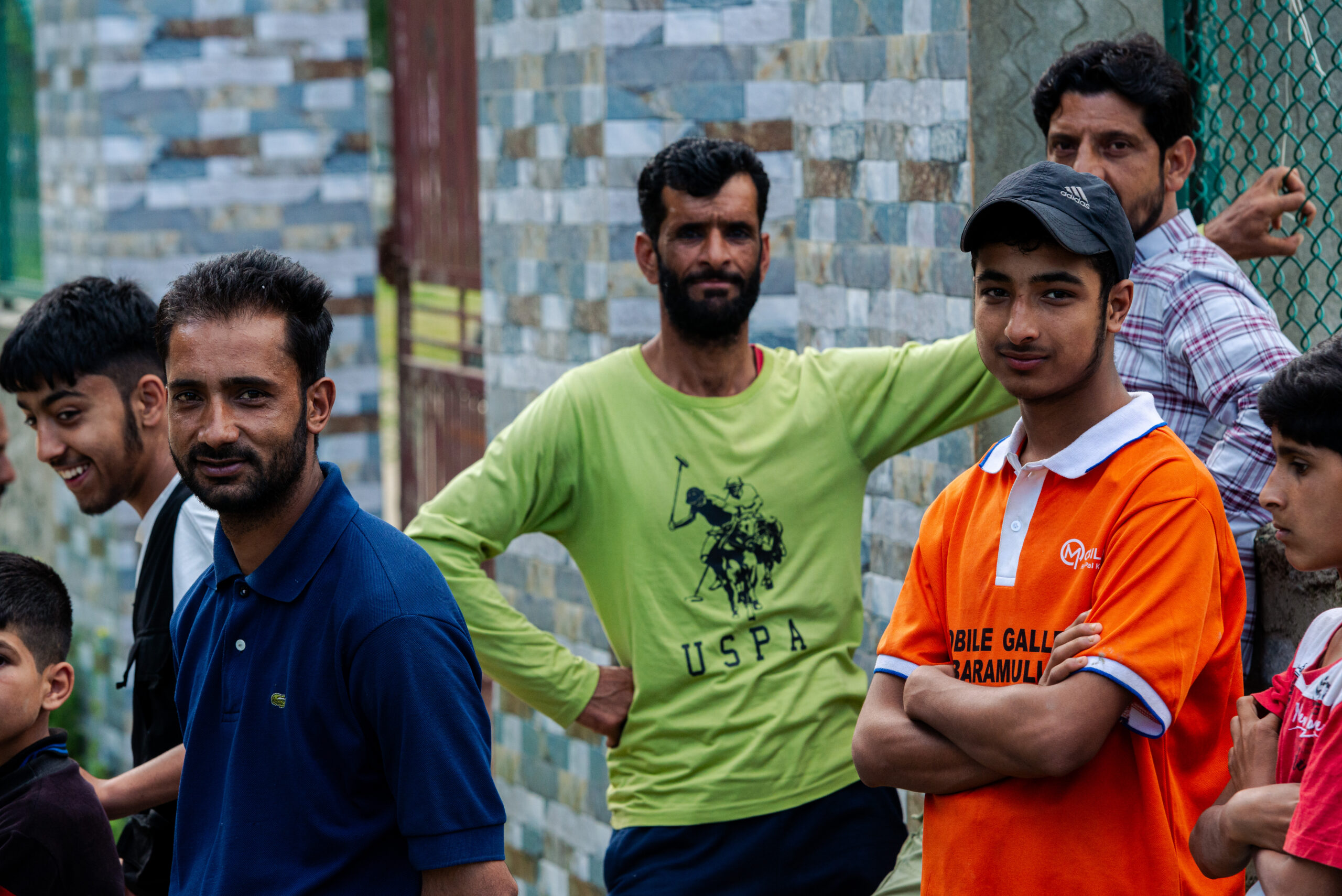
Srinagar, Kashmir, India, May the 31st, 2024
THE abrogation OF ARTICLE 370
On May 25, 2024, India faced the sixth round of national elections for the lower house, the Lok Sabah. With this last date, 486 constituencies across the country voted, out of 543 total districts.
The State of Jammu and Kashmir faced its fifth and final appointment. Kashmir, with its uniqueness, is a peculiar observation point that makes an important contribution to the understanding of what is happening in the rest of the country.
Until 2019, the state of Jammu and Kashmir, which also included Ladakh, enjoyed a special status, specified in Article 370 of the Constitution, which allowed it to have its own constitution and flag.
Exceptions were matters such as defense, finance, foreign affairs, and communications.
On August 5, 2019, the Modi government repealed Article 370, creating two new entities, Jammu and Kashmir and Ladakh.
The abrogation included Article 35A, which gave permanent residents of Kashmir the exclusive right to property. This is a crucial detail, as, since 2019, nonresidents have the ability to purchase property in the territory. This change is among those of greatest concern to Kashmiris: some citizens outside the polling stations say they fear a change in the region’s demographics and the creation of a non-local ruling class, especially as a result of the acquisition of land, including arable land, at the expense of locals, whose average income is nearly half the national average.
SUPPRESSION AND PREVENTIVE MEASURES
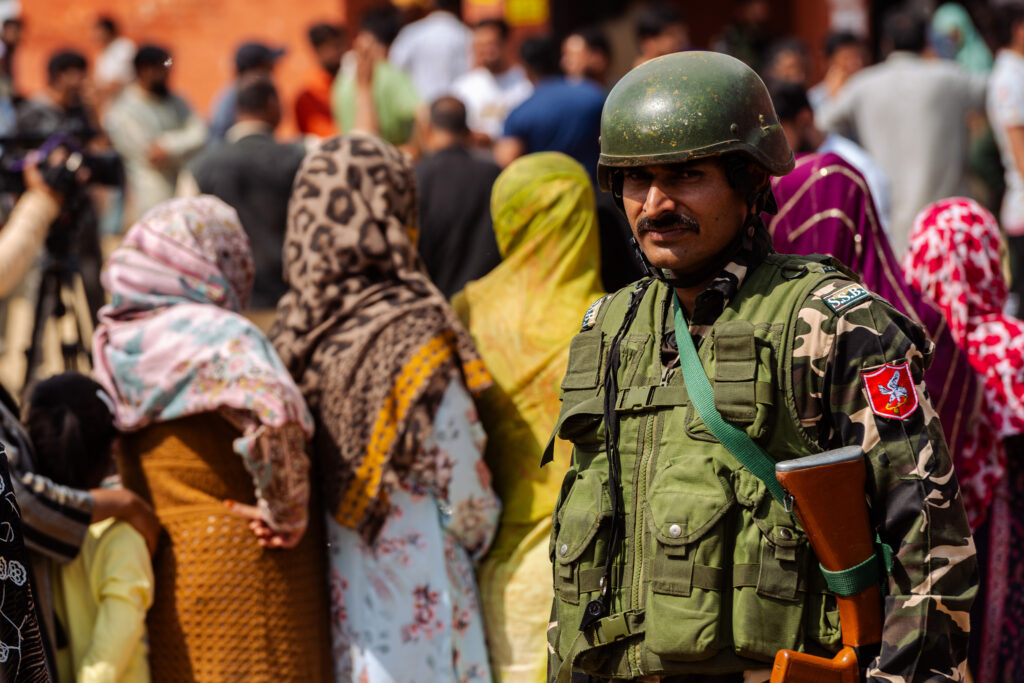
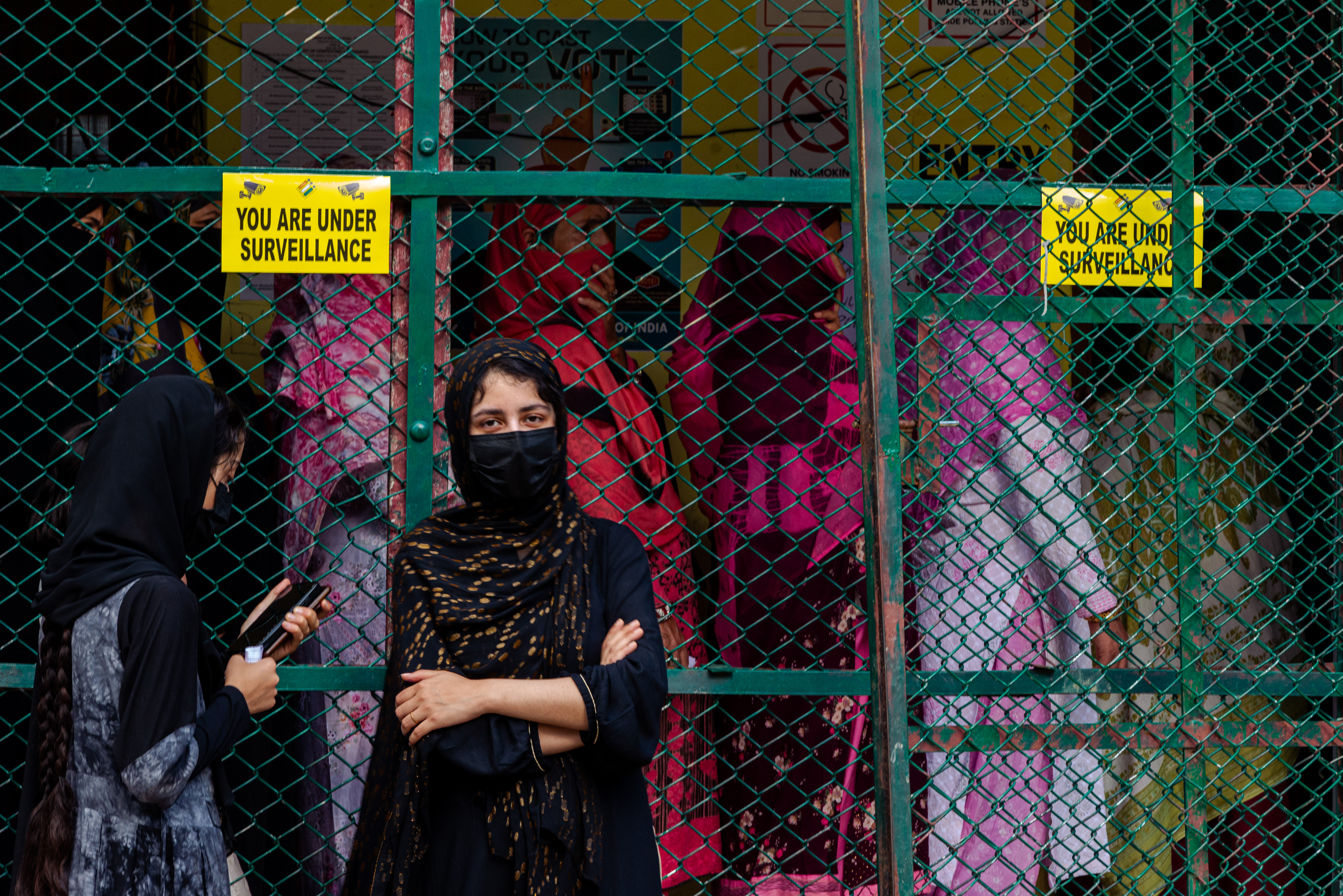
The repeal of Article 370 was a matter of propaganda for Modi, who called it “a beacon of hope, a promise of a brighter future, and a testament to our collective determination to build a stronger and more united India.” But in 2019, the operation was preceded by a high deployment of military forces, the shutdown of internet and telephone communications, and the preventive detention of thousands of people, including lawyers, journalists, and some 400 political leaders, including the state’s former Chief Minsters. Even now, Kashmir is a highly militarized area: there is at least one military for every 100 people. Restrictive laws persist, and the Unlawful Activities (Prevention) Act (UAPA) is being used in a casual way, leading to the arrest of hundreds of young people, including seven students, last Nov. 28, charged for cheering Pakistan, during a cricket match with Australia, and allegedly for chanting slogans that have been depicted as anti-Indian. Furthermore, on April 24, the use of VPN services was made illegal, leading to the arrest of three people within two days in early May.
The high level of repression has led to a decrease in violence, but also to a climate of fear among Kashmiris, that hardly express themselves freely: “The situation in Kashmir is so complex that you never know who is what,” a businesswoman from Srinagar told me, referring to the fact that many people prefer not to talk about certain political issues, such as their views on Kashmiri independence, for fear of being reported to police or intelligence. In addition, there are still some incidents of violence by some militant groups: the last two attacks occurred on May 19, when a couple from Rajasthan were injured and a former leader of Modi’s nationalist BJP party was killed.
The defiers
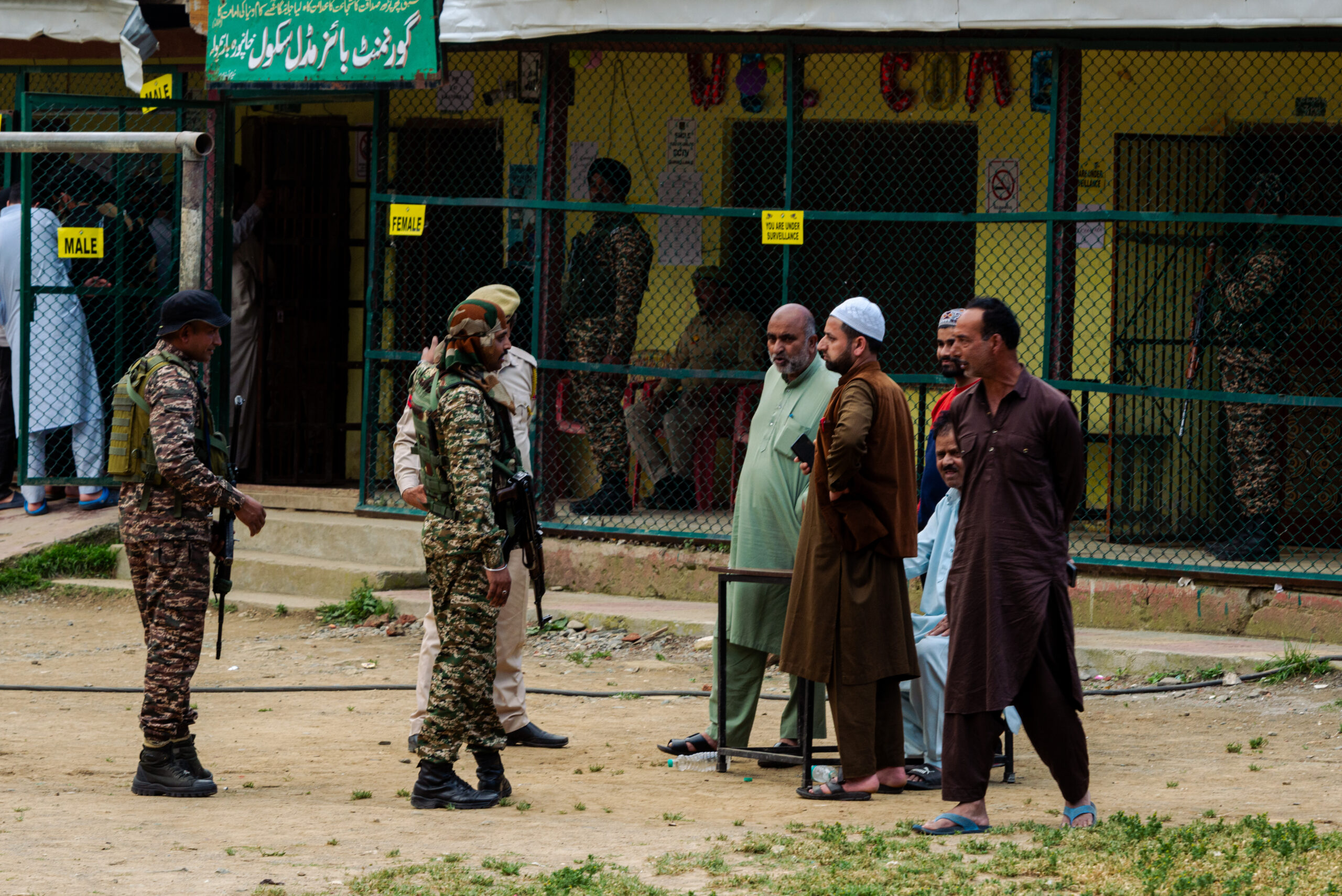
In this complicated context, the turnout in Kashmir was among the highest recorded in the last thirty years, although low if compared to the average turnout levels in India, which are instead declining (between 60% and 69%): 38% in the constituency of Srinagar, 59% in that of Baramulla and 54% in that of Anantnag.
In Kashmir, the BJP has decided not to contest, supporting, instead, some local parties, such as the Jammu and Kashmir People’s Conference (JKPC) of the former separatist Sajjad Lone. Among the favourite candidates are two former Chief Ministers: Omar Abdullah of the Jammu and Kashmir National Congress (NC), in the Baramulla district, and Mehbooba Mufti, of the People’s Democratic Party (PDP) in Anantnag, both within the I.N.D.I.A. coalition, together with the main opposition party, Rahul Gandhi’s Congress.
Surprisingly, however, also according to the comments of some local citizens and political analysts, in northern Kashmir, in the Baramulla district, especially the young people seem to support the independent party Awami Ittehad Party (AIP), in Urdu “people’s alliance”, of Abdul Rashid Sheikh, also known as Engineer Rashid, in prison in Delhi since 2019. He’s been arrested on the basis of the UAPA the day after the abrogation of Article 370. Rashid has entrusted the campaign to his twenty-six-year-old son Abrar, which began only two weeks before the vote.
Rashid has made the release of jailed people a major focus of his campaign. Many young people who normally boycott elections, funded the campaign and provided vehicles and fuel. They have shown up at AIP rallies, seeing Rashid as a much more representative voice for the people of Kashmir. “Politicians make a lot of promises during the election campaign, but as soon as they are elected they break them,” said one voter who went to the polls. Corruption, on the other hand, is a serious scourge in India and Kashmir. According to Transparency International, India is 93rd in terms of corruption out of 180 countries surveyed, and India’s Corruption Perceptions Index has fluctuated between 36 and 41 between 2012 and 2023, with lower scores indicating higher levels of corruption.